
 Kontakt
 Ako nakupovať
Doručenie
Nákupný poradca
 Angličtina
 79 b
79 b
30 dní na vrátenie tovaru

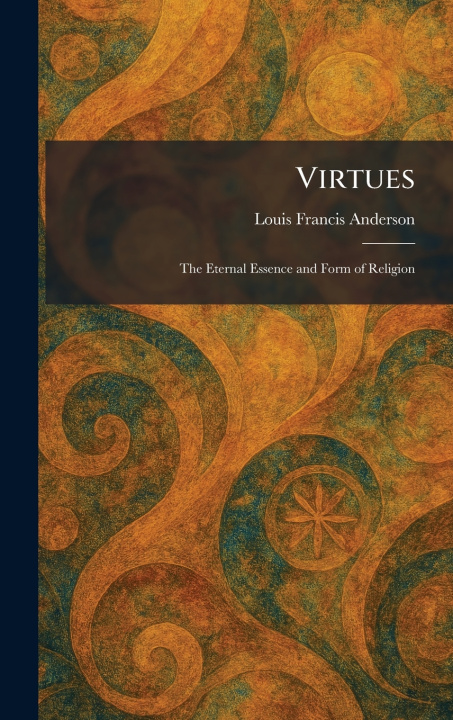
"Virtues : The Eternal Essence and Form of Religion" is a profound exploration of the relationship between human morality and spiritual devotion. In this thoughtful treatise, Louis Francis Anderson investigates the fundamental role that virtues play as the core components of religious life. Rather than viewing religion as a collection of static doctrines, Anderson presents it as a dynamic expression of character, where the cultivation of moral excellence serves as the primary bridge to the divine.
The work examines how virtues represent the eternal essence and outward form of faith, providing a structured approach to religious education and spiritual growth. By analyzing the interconnectedness of ethics and theology, "Virtues : The Eternal Essence and Form of Religion" offers readers a timeless philosophical framework for understanding the nature of goodness and its manifestation in the world. This book is an invaluable resource for scholars of theology, students of moral philosophy, and anyone seeking a deeper comprehension of the ethical foundations that underpin religious experience and character development.
This work has been selected by scholars as being culturally important, and is part of the knowledge base of civilization as we know it. This work was reproduced from the original artifact, and remains as true to the original work as possible. Therefore, you may see the original copyright references, library stamps (as most of these works have been housed in our most important libraries around the world), and other notations in the work.
This work is in the public domain in the United States of America, and possibly other nations. Within the United States, you may freely copy and distribute this work, as no entity (individual or corporate) has a copyright on the body of the work.
As a reproduction of a historical artifact, this work may contain missing or blurred pages, poor pictures, errant marks, etc. Scholars believe, and we concur, that this work is important enough to be preserved, reproduced, and made generally available to the public. We appreciate your support of the preservation process, and thank you for being an important part of keeping this knowledge alive and relevant.


Informácie o knihe
Angličtina
