
 Kontakt
 Ako nakupovať
Doručenie
Nákupný poradca
 Angličtina
 79 b
79 b
30 dní na vrátenie tovaru

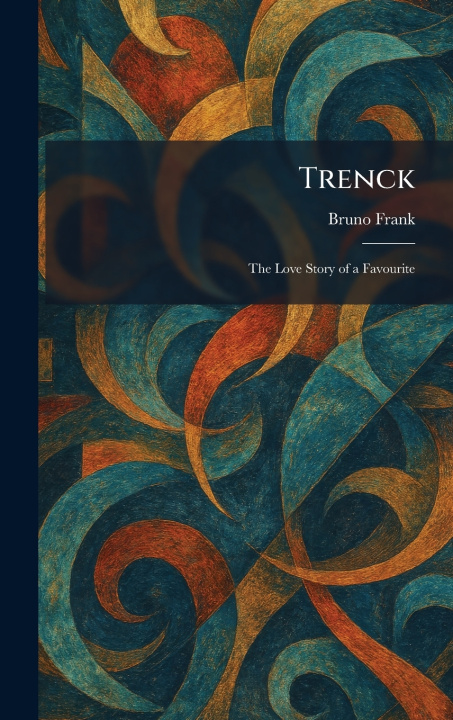
"Trenck : The Love Story of a Favourite" is a captivating historical novel by Bruno Frank that delves into the tumultuous life of Friedrich von der Trenck, an 18th-century Prussian officer whose life was defined by both brilliance and tragedy. Set against the rigid and often ruthless backdrop of the court of Frederick the Great, the narrative explores the illicit and doomed romance between the dashing Trenck and Princess Amalia, the King's own sister.
This work masterfully blends historical fact with evocative prose, capturing the essence of the Enlightenment era while focusing on the personal cost of defying royal authority. As Trenck navigates the complexities of military service, diplomatic missions, and eventual imprisonment, the reader is drawn into a world of political intrigue and profound emotional longing. Bruno Frank presents a compelling portrait of a man who was both a favorite of the crown and a victim of its absolute power. Through vivid characterization and meticulous period detail, "Trenck : The Love Story of a Favourite" remains a poignant exploration of individual passion versus the cold machinery of the state.
This work has been selected by scholars as being culturally important, and is part of the knowledge base of civilization as we know it. This work was reproduced from the original artifact, and remains as true to the original work as possible. Therefore, you may see the original copyright references, library stamps (as most of these works have been housed in our most important libraries around the world), and other notations in the work.
This work is in the public domain in the United States of America, and possibly other nations. Within the United States, you may freely copy and distribute this work, as no entity (individual or corporate) has a copyright on the body of the work.
As a reproduction of a historical artifact, this work may contain missing or blurred pages, poor pictures, errant marks, etc. Scholars believe, and we concur, that this work is important enough to be preserved, reproduced, and made generally available to the public. We appreciate your support of the preservation process, and thank you for being an important part of keeping this knowledge alive and relevant.


Informácie o knihe
Angličtina
