
 Kontakt
 Ako nakupovať
Doručenie
Nákupný poradca
 Angličtina
 53 b
53 b
 Nové
Nové
30 dní na vrátenie tovaru

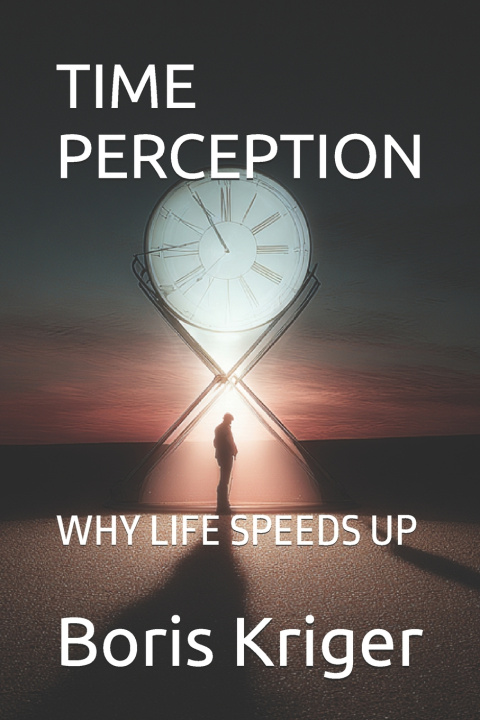
You are not imagining it. The years really are getting shorter.
Not on any clock, not on any calendar - but inside the three pounds of tissue between your ears, something has changed. The summers that once stretched into lazy eternities now collapse into a long weekend. A decade vanishes like a coin in a magician's hand. And the unsettling sense that you are being robbed of time - that life is accelerating toward some finish line you never agreed to approach - is shared by nearly everyone who has lived long enough to notice it.
In 1999, Boris Kriger proposed a radical explanation for this universal experience. The problem, he argued, is not with time. The problem is with the machinery your brain uses to record it. As we age, the cellular powerhouses inside the hippocampus - the brain region responsible for encoding the experiences that make up our sense of lived time - begin to fail. Their energy output drops. Inhibitory neurotransmitters rise to compensate. And the result is a quiet, progressive impoverishment of the episodic record: fewer distinct memories per year, less experiential richness per decade, and the growing, haunting impression that life is accelerating beyond your control.
Keywords: time perception, chronoperception, aging, hippocampus, episodic memory, neuroscience, consciousness


Informácie o knihe
Angličtina

Darujte túto knihu ešte dnes
Je to jednoduché
1 Pridajte knihu do košíka a vyberte možnosť doručiť ako darček 2 Obratom Vám zašleme poukaz 3 Knihu zašleme na adresu obdarovanéhoAhoj! Som Libroamiko, tvoj knižný radca.
Ako ti môžem pomôcť?