
 Kontakt
 Ako nakupovať
Doručenie
Nákupný poradca
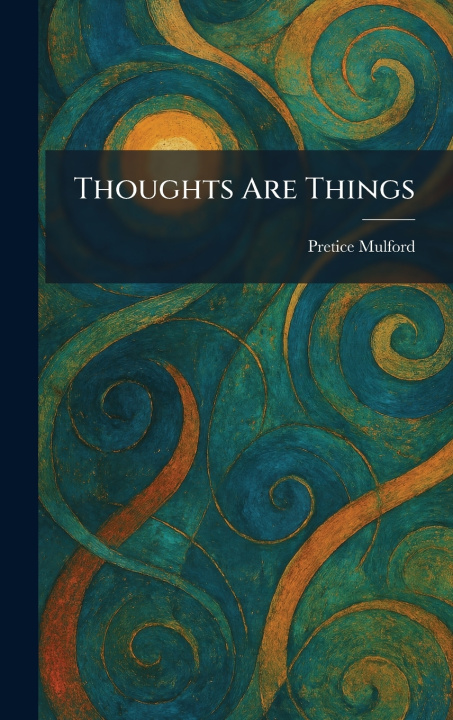
Thoughts Are Things
 Angličtina
 73 b
73 b
30 dní na vrátenie tovaru

"Thoughts Are Things" is a foundational pillar of the New Thought movement, exploring the profound influence that mental energy exerts on physical reality. In this compelling work, Prentice Mulford articulates the philosophy that thoughts are not mere abstractions but literal forces capable of shaping an individual's health, prosperity, and overall destiny. By understanding the dynamic nature of the human mind, readers are encouraged to cultivate positive mental states and recognize the spiritual laws that govern the universe.
The book delves into the concept of the law of success and the importance of mental hygiene, teaching that the quality of one's thoughts determines the quality of one's life. Mulford's insights into the connection between the spirit and the material world offer a timeless guide for those seeking personal transformation and spiritual enlightenment. Whether discussing the regenerative power of rest or the creative potential of the imagination, "Thoughts Are Things" remains an essential text for anyone interested in the intersection of philosophy, psychology, and spirituality. This classic treatise serves as a powerful reminder of the untapped potential residing within every individual to manifest a better existence through the disciplined application of thought.
This work has been selected by scholars as being culturally important, and is part of the knowledge base of civilization as we know it. This work was reproduced from the original artifact, and remains as true to the original work as possible. Therefore, you may see the original copyright references, library stamps (as most of these works have been housed in our most important libraries around the world), and other notations in the work.
This work is in the public domain in the United States of America, and possibly other nations. Within the United States, you may freely copy and distribute this work, as no entity (individual or corporate) has a copyright on the body of the work.
As a reproduction of a historical artifact, this work may contain missing or blurred pages, poor pictures, errant marks, etc. Scholars believe, and we concur, that this work is important enough to be preserved, reproduced, and made generally available to the public. We appreciate your support of the preservation process, and thank you for being an important part of keeping this knowledge alive and relevant.


Informácie o knihe
Angličtina
