
 Kontakt
 Ako nakupovať
Doručenie
Nákupný poradca
 Angličtina
 24 b
24 b
 Nové
Nové
Až 30 dní na vrátenie tovaru

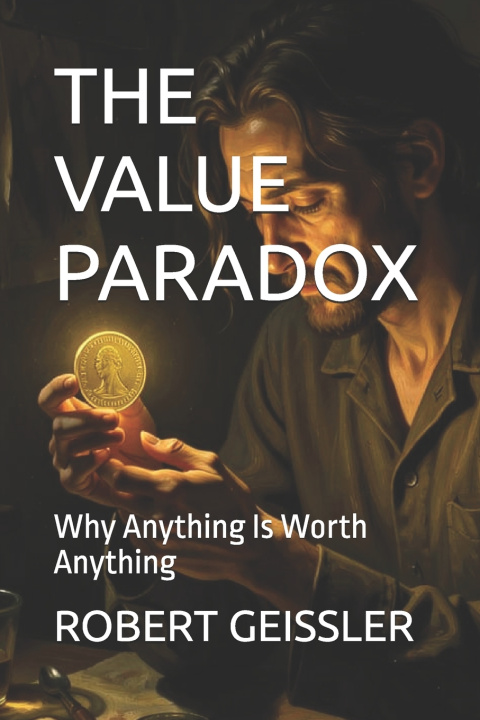
Why does a diamond cost more than the water that keeps you alive?
Adam Smith asked that question in 1776 and never solved it. It took a century, a quiet revolution in Vienna, and thinkers like Carl Menger, Ludwig von Mises, Friedrich Hayek, and Milton Friedman to finally get it right - and most people still don't know the answer.
The Value Paradox unpacks the single most important idea in economics: nothing is worth anything by itself. Worth isn't a property hiding inside an object, waiting to be measured. It's a live, ongoing act of human judgment - and once you see it, you can't unsee it in a paycheck, a stock price, a piece of art, or a Bitcoin wallet.
Drawing on the Austrian and Chicago School traditions, Robert F. Geissler traces the idea from Smith's original paradox through the Marginal Revolution, the economic calculation debate that toppled central planning, and the hardest modern test cases - gold versus Bitcoin, wages versus worth, and why a can of soup sells for less than a soup can painting.
Clear, rigorous, and free of jargon, this is a book for anyone who has ever priced a possession, negotiated a wage, or wondered why the world values what it values.


Informácie o knihe
Angličtina
