
 Kontakt
 Ako nakupovať
Doručenie
Nákupný poradca
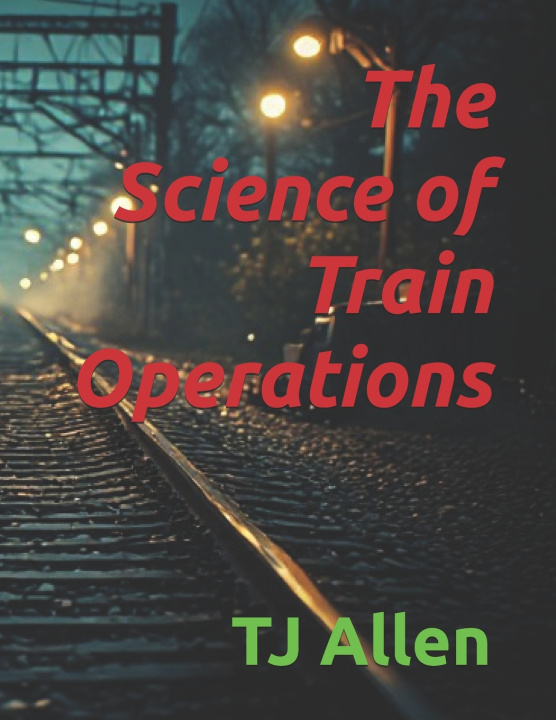
The Science of Train Operations
 Angličtina
 56 b
56 b
 Pripravujeme
 Nové
Nové
Až 30 dní na vrátenie tovaru

Disclaimer
The Science of Train Operations is intended solely for educational, informational, historical, and general reference purposes. It is not an operating manual, railroad rulebook, certification course, technical maintenance manual, or substitute for employer-provided training, supervised field instruction, territorial qualification, professional certification, or compliance with current federal, state, local, and railroad-specific requirements.
Railroad operations involve heavy equipment, moving trains, high-voltage systems, compressed air, hazardous materials, restricted property, switching operations, braking systems, signals, track authorities, and other conditions capable of causing serious injury, death, property damage, or environmental harm. Readers should never attempt to operate, move, switch, repair, inspect, secure, board, enter, or otherwise interact with railroad equipment or railroad property based solely on information contained in this book.
Professional railroad employees must follow the current rules, special instructions, timetables, bulletins, operating practices, training materials, certification requirements, equipment instructions, and supervisory direction issued by their employer, together with all applicable laws and regulations. When information in this book differs from current railroad instructions, government regulations, manufacturer documentation, or the direction of a qualified railroad professional, the official and current source takes precedence.
Descriptions of locomotive operation, air brakes, switching, train handling, securement, signals, Positive Train Control, hazardous-material operations, emergency response, and related subjects are provided to explain concepts and professional responsibilities. They are not intended as step-by-step instructions enabling an unqualified person to operate railroad equipment. Equipment designs, operating practices, control arrangements, signal systems, and railroad rules vary significantly among carriers, territories, locomotive types, passenger systems, and freight operations.
Federal railroad regulations and railroad operating practices are subject to amendment, interpretation, and revision. Although reasonable care has been taken to present accurate information current at the time of publication, the author and publisher cannot guarantee that every regulation, rule, procedure, training requirement, technical specification, or external resource will remain unchanged after publication. Anyone using this book for professional preparation should verify current requirements through the Federal Railroad Administration, the Electronic Code of Federal Regulations, the employing railroad, and other appropriate official sources.
Nothing in this book should be interpreted as legal, regulatory, engineering, medical, employment, hazardous-material, emergency-response, or professional certification advice. Readers seeking guidance in any of those areas should consult the appropriate qualified professional, government agency, railroad employer, training department, or other authoritative source.
Railroad tracks, yards, bridges, tunnels, locomotives, freight cars, maintenance facilities, and other railroad property may be private, restricted, or dangerous areas. Readers should observe trains only from lawful public locations and should never trespass on railroad property, walk along railroad tracks, climb on equipment, enter tunnels or bridges, interfere with railroad operations, or attempt to inspect equipment without authorization and proper qualification.


Informácie o knihe
Angličtina
Kategórie

Darujte túto knihu ešte dnes
Je to jednoduché
1 Pridajte knihu do košíka a vyberte možnosť doručiť ako darček 2 Obratom Vám zašleme poukaz 3 Knihu zašleme na adresu obdarovanéhoAhoj! Som Libroamiko, tvoj knižný radca.
Ako ti môžem pomôcť?