
 Kontakt
 Ako nakupovať
Doručenie
Nákupný poradca
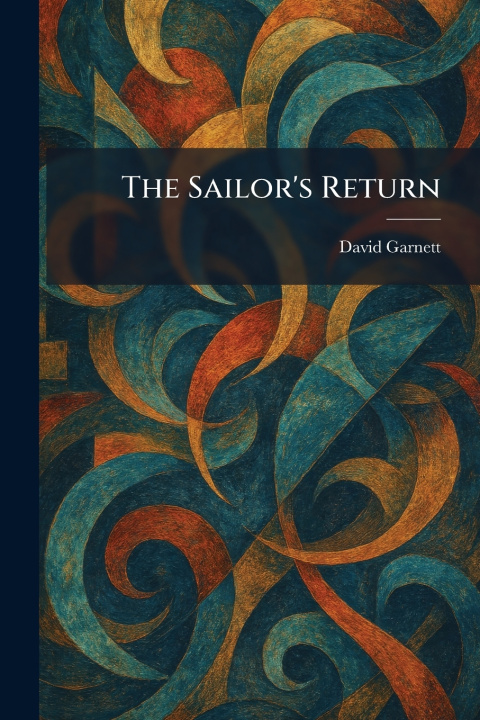
The Sailor's Return
 Angličtina
 45 b
45 b
30 dní na vrátenie tovaru

"The Sailor's Return" is a poignant and provocative novella by David Garnett that explores themes of racial prejudice and cultural conflict in rural England. The story follows William Targett, a British sailor who returns to his ancestral village in Dorset after years spent on the West Coast of Africa. He does not return alone, however; he is accompanied by his African wife, Princess Tulip, and their young son. Hoping to build a peaceful life, William uses his savings to purchase a local inn, which he renames "The Sailor's Return."
As the family attempts to integrate into the small-minded community, they are met with a harrowing wall of suspicion, bigotry, and outright hostility. Garnett masterfully depicts the suffocating atmosphere of a village unwilling to accept outsiders, especially those who challenge the social norms of the era. Through stark prose and sharp social observation, "The Sailor's Return" serves as a tragic critique of intolerance and the devastating impact of xenophobia on individuals seeking a simple, quiet existence. This powerful work remains a significant literary exploration of the complexities of identity and the harsh realities of social exclusion in early 20th-century Britain.
This work has been selected by scholars as being culturally important, and is part of the knowledge base of civilization as we know it. This work was reproduced from the original artifact, and remains as true to the original work as possible. Therefore, you may see the original copyright references, library stamps (as most of these works have been housed in our most important libraries around the world), and other notations in the work.
This work is in the public domain in the United States of America, and possibly other nations. Within the United States, you may freely copy and distribute this work, as no entity (individual or corporate) has a copyright on the body of the work.
As a reproduction of a historical artifact, this work may contain missing or blurred pages, poor pictures, errant marks, etc. Scholars believe, and we concur, that this work is important enough to be preserved, reproduced, and made generally available to the public. We appreciate your support of the preservation process, and thank you for being an important part of keeping this knowledge alive and relevant.


Informácie o knihe
Angličtina
