
 Kontakt
 Ako nakupovať
Doručenie
Nákupný poradca
 Angličtina
 44 b
44 b
Až 30 dní na vrátenie tovaru

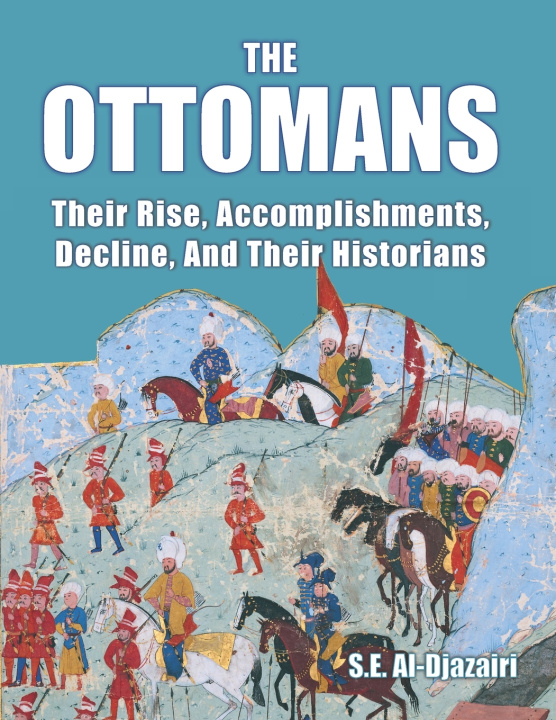
There are many works about the Ottomans, but an abundance does not necessarily mean a good history of the subject. Repetition of claims does not mean they are true. Sometimes, abundance of certain narratives drowns out other voices. In respect to Ottoman history, the well-known "illusory truth effect,' is very much at work.
Most historians repeat or follow the same well-treaded paths traced by Ottoman historians of the 19th century. Those historians were completing their works when Turkey was not just 'the sick man of Europe' but was also 'the great enemy, the persecutor of Christians.' This 'moribund cruel persecutor' was the heir to the former rich Byzantine realm, and also ruled over vast lands. To ambitious and greedy imperial Europe what a spoil of war such lands would be! In order to grab them, besides the use of force (plentifully available, and the enemy was sick anyway), what was needed were good excuses. This is where a certain type of historical narrative and other forms of discourse, such as by the media of the time, leading political and Church voices, came in handy. In the 'sickness and barbarism of the Ottoman Turk' there was found plenty of fodder for such a discourse. The line was traced, and because these narratives have been repeated so much over the decades and in so many works, they have formed the predominant view of Ottoman Turkey, which remains to this day. Only few have deviated from this discourse.
This work is one of those deviations. It is based mainly on the facts on the ground, rather than claims by historians. It also has much greater substance, because it looks at Ottoman Turkey from an angle much wider than other works have hitherto done.


Informácie o knihe
Angličtina
Kategórie

Darujte túto knihu ešte dnes
Je to jednoduché
1 Pridajte knihu do košíka a vyberte možnosť doručiť ako darček 2 Obratom Vám zašleme poukaz 3 Knihu zašleme na adresu obdarovanéhoAhoj! Som Libroamiko, tvoj knižný radca.
Ako ti môžem pomôcť?