
 Kontakt
 Ako nakupovať

Doručenie
Nákupný poradca
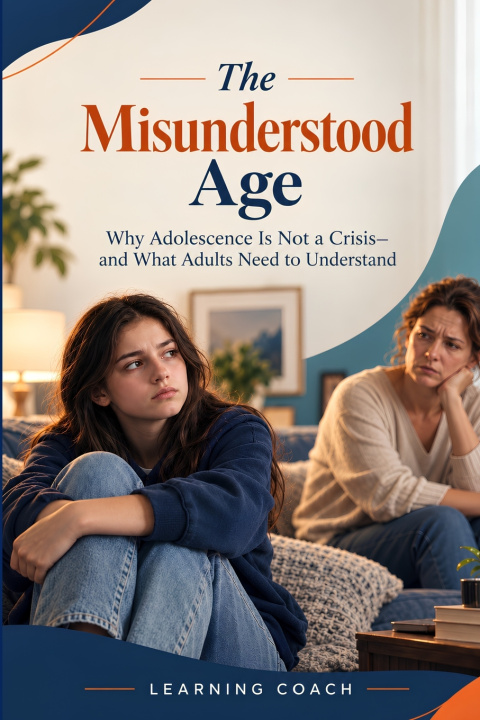
The Misunderstood Age
Why Adolescence Is Not a Crisis-and What Adults Need to Understand
 Angličtina
 47 b
 Pripravujeme
 Nové
Až 30 dní na vrátenie tovaru

What if the teenage years were never meant to be a crisis?
A bedroom door closes. A once-talkative child answers in one word. A bright student suddenly says, "I don't care." Adults see rebellion, laziness, disrespect, or withdrawal. But what if they are witnessing something else entirely: a young person trying to become themselves?
In The Misunderstood Age: Why Adolescence Is Not a Crisis-and What Adults Need to Understand, the Learning Coach Team challenges one of the most persistent myths in parenting and education: that adolescence is inevitably a period of chaos, conflict, and dysfunction.
Drawing on developmental psychology, neuroscience, educational research, and cross-cultural perspectives, this thought-provoking book offers a different way to understand teenagers. Adolescence is not a broken version of adulthood. It is a remarkable passage of brain development, identity formation, emotional growth, and growing independence-one that demands more understanding, not more fear.
WHY DO TEENAGERS SEEM SO HARD TO UNDERSTAND?
Why does a teenager who needs connection push people away? Why does "I don't care" sometimes conceal an intense fear of failure? Why do sleep, social acceptance, privacy, fairness, and freedom suddenly matter so much? And how do schools, smartphones, social media, and artificial intelligence shape the experience of growing up today?
Across 31 chapters, The Misunderstood Age explores:
The adolescent brain: what neuroscience really tells us about emotions, judgment, motivation, risk-taking, and learning.
Teenage behavior decoded: why rebellion, silence, apparent laziness, and emotional intensity often mean something different from what adults assume.
Identity and independence: how young people develop their sense of self, values, confidence, relationships, and future direction.
Parenting teenagers: why adolescents still need their parents, even when the relationship changes-and why trust matters more than constant surveillance.
School and learning: how grades, classroom expectations, sleep schedules, and performance pressure can clash with adolescent development.
Growing up online: the effects and uncertainties surrounding social media, loneliness, Gen Z, Gen Alpha, and AI companions.
Culture and adolescence: why becoming an adult looks different across families and societies, and why no single cultural script fits every teenager.
Mental health and well-being: how to distinguish ordinary developmental change from signs of genuine psychological distress that deserve professional attention.
MORE THAN A BOOK ABOUT TEENAGERS
This is also a book about the adults who raise, teach, coach, and care for them. It asks a question that can transform a relationship: are we responding to who this teenager is becoming-or reacting to the teenager we ourselves once were?
With vivid real-life situations, accessible scientific explanations, and reflective insights, The Misunderstood Age invites readers to replace labels with curiosity, fear with understanding, and control with a more respectful form of guidance. It does not romanticize adolescence, excuse harmful behavior, or dismiss real mental health concerns. It offers something more useful: a way to recognize both the extraordinary potential and the genuine vulnerabilities of this age.
FOR PARENTS, TEACHERS, AND EVERYONE WHO WORKS WITH TEENS
Whether you are parenting a teenager, teaching middle or high school students, working in youth counseling or coaching, or simply seeking a deeper understanding of adolescent psychology, this book will change the questions you ask-and the answers you are prepared to hear.


Informácie o knihe
Angličtina
Kategórie

Darujte túto knihu ešte dnes
Je to jednoduché
1 Pridajte knihu do košíka a vyberte možnosť doručiť ako darček 2 Obratom Vám zašleme poukaz 3 Knihu zašleme na adresu obdarovanéhoAhoj! Som Libroamiko, tvoj knižný radca.
Ako ti môžem pomôcť?