
 Kontakt
 Ako nakupovať
Doručenie
Nákupný poradca
 Angličtina
 25 b
25 b
 Pripravujeme
 Nové
Nové
Až 30 dní na vrátenie tovaru

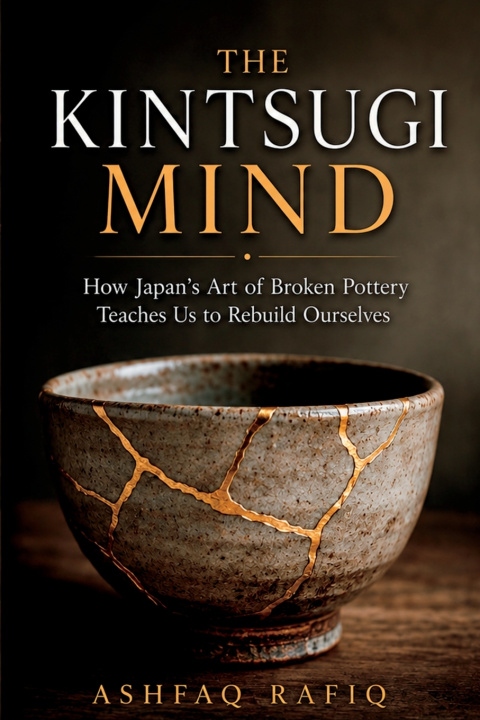
In the 15th century, a Japanese shogun sent a broken tea bowl back for repair - and got back something worse than broken: an ugly, clamped mess. What happened next changed how an entire culture thought about damage. Instead of hiding the crack, artisans began filling it with gold. The break became the most beautiful part of the bowl. This book takes that six-hundred-year-old craft seriously - not as an inspirational quote, but as a working method.
Every self-help shelf has a book that mentions kintsugi in passing. This isn't that book. Drawing on the real, fact-checked history of kintsugi and its philosophical root, wabi-sabi, The Kintsugi Mind gives you a concrete way of looking at your own cracks - the ones you're hiding, the ones still healing, the ones you've let quietly define you - and deciding, deliberately, what to do with each one. Inside, you'll learn to:
- Tell apart the five ways things actually break, and why each needs a different repair
- Distinguish a scar that's finished healing from a shame still quietly running the show, using a single diagnostic question
- Build your "gold list" - the specific, real capability a hardship left you with, not a vague silver lining
- Know when a crack deserves gold, and when it's better simply released
- Run a structured 30-day practice that turns the whole framework into daily habit Fourteen real, grounded stories carry the ideas: a construction foreman hiding an injury, a founder who lost his company, a priest who left the collar, a mother repairing a moment with her son, a woman who spent six years hiding a mistake her employer already knew about. Not composite theory dressed up as science - just people, and what they actually did with what broke. The book closes with a full Quick Reference (every framework in one place) and a Further Reading section pointing to the real researchers - on shame, self-compassion, post-traumatic growth - whose work this book's ideas sit closest to. This is not a book about pretending damage is secretly a gift. It's a book about what a craftsman actually does with a broken bowl: look closely, decide what's worth saving, and do the slow, visible work of putting it back together - honestly, in the open. Not "everything happens for a reason." Something more useful.


Informácie o knihe
Angličtina

Darujte túto knihu ešte dnes
Je to jednoduché
1 Pridajte knihu do košíka a vyberte možnosť doručiť ako darček 2 Obratom Vám zašleme poukaz 3 Knihu zašleme na adresu obdarovanéhoAhoj! Som Libroamiko, tvoj knižný radca.
Ako ti môžem pomôcť?