
 Kontakt
 Ako nakupovať
Doručenie
Nákupný poradca
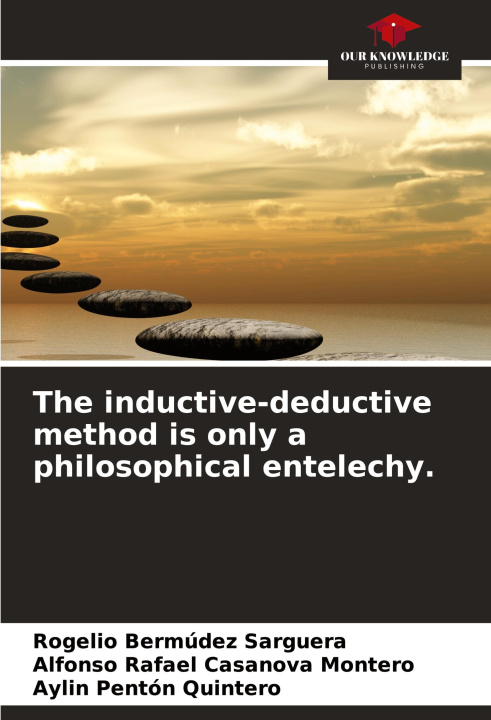
The inductive-deductive method is only a philosophical entelechy.
 Angličtina
 95 b
95 b
Až 30 dní na vrátenie tovaru
Zákazníci tiež kúpili






 /
/
 Brožovaná
 13.03
€
13.03
€
 /
Brožovaná
44.48
€
/
Brožovaná
44.48
€

 /
Brožovaná
47.21
€
/
Brožovaná
47.21
€

This paper deals with the theoretical positions concerning the inductive-deductive method, which is so much in vogue today in most social research, mainly of a philosophical, psychological and pedagogical nature. In this sense, a generalized thesis runs through the world, namely, that the inductive method is applied to construct knowledge, starting from the particular to the general, while the deductive method does so in favor of the general to the particular. The reasoning is complicated by the assertion that the inductive and the deductive are the two sides of the same coin, putting at risk the strict rigorousness of science and its inevitable methodological transcendences. What reason do philosophy and psychology have to defend such ideas? Is the nature of knowledge that is constructed by the bottom-up (inductive) "way" the same as that obtained by the top-down (deductive) "way", an idea that is axiomatic for contemporary methodological conceptions? Our basic thesis is that these methods are neither opposed nor complementary, since they are not involved in the formation of the same type of knowledge.


Informácie o knihe
Angličtina
Kategórie

Darujte túto knihu ešte dnes
Je to jednoduché
1 Pridajte knihu do košíka a vyberte možnosť doručiť ako darček 2 Obratom Vám zašleme poukaz 3 Knihu zašleme na adresu obdarovanéhoMohlo by vás tiež zaujímať








Ahoj! Som Libroamiko, tvoj knižný radca.
Ako ti môžem pomôcť?