
 Kontakt
 Ako nakupovať
Doručenie
Nákupný poradca
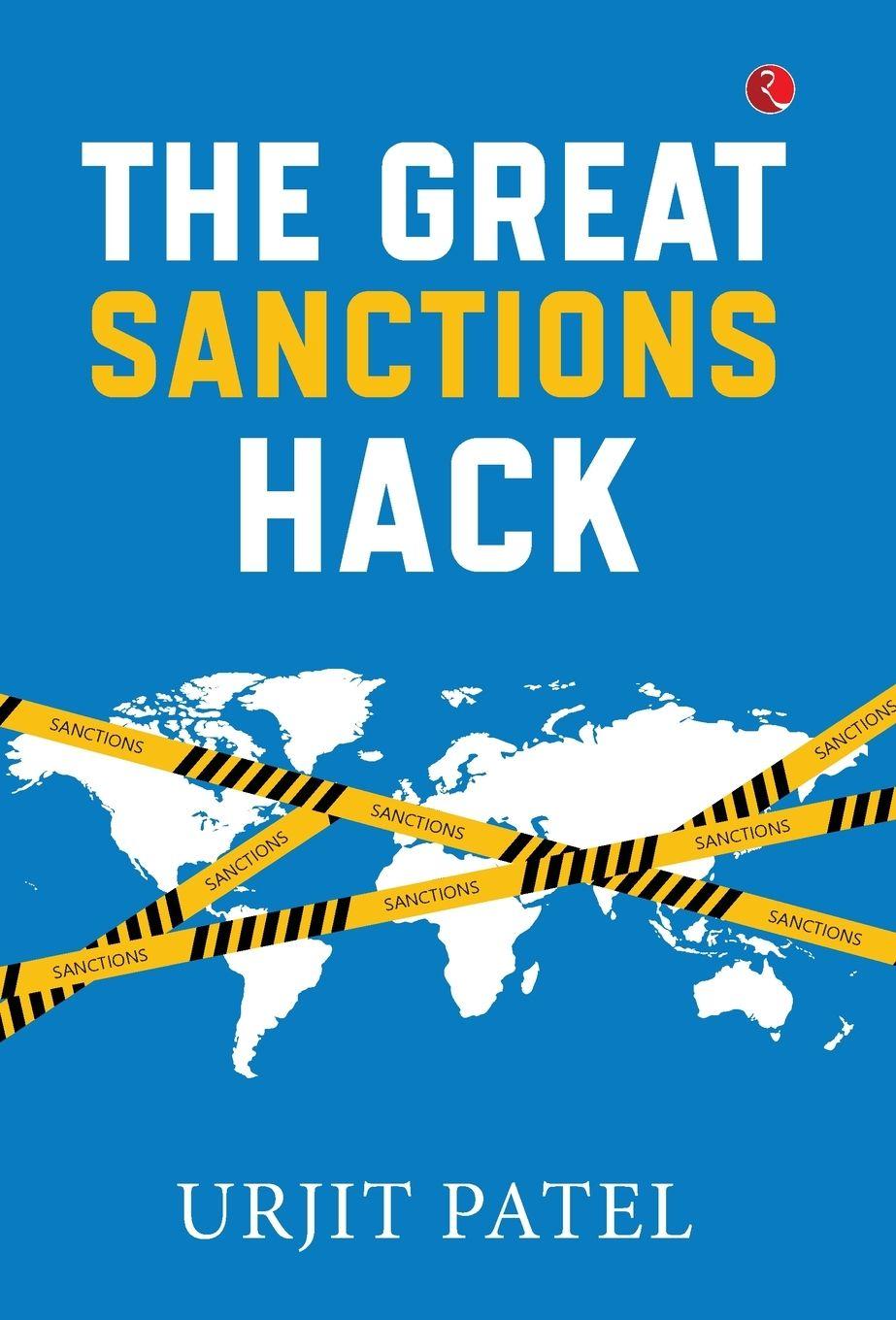
The Great Sanctions Hack
 Angličtina
 90 b
90 b
30 dní na vrátenie tovaru

In the 21st century, economic sanctions have become a widely used tool to control geopolitics,
with the United States being the largest user of sanctions globally, followed by the European
Union. Yet, mounting evidence shows that these measures often fall short of achieving their
intended diplomatic outcomes. While sanctions are meant to pressure governments by targeting
their economies, the actual impact tends to be slow, complex, and frequently ineffective.
In The Great Sanctions Hack, Urjit Patel, former Governor of the Reserve Bank of India, who
now serves as Chairman of the National Institute of Public Finance and Policy, evaluates why
the concept of sanctions needs a major overhaul. Their broader effects on global markets and
unintended consequences for third parties must be considered. Economic damage unfolds
gradually, not instantly, and should be tracked in more detailed stages. Moreover, the real cost to
individuals, businesses, and global stability needs clearer and more transparent measurement.
Concerns are also rising about the role of international institutions that often fail to fairly
assess the consequences of sanctions. This raises questions about their effectiveness in guiding
international economic policy.
As global uncertainty grows, a more thoughtful, data-driven, and transparent approach to
sanctions is urgently needed.


Informácie o knihe
Angličtina

Darujte túto knihu ešte dnes
Je to jednoduché
1 Pridajte knihu do košíka a vyberte možnosť doručiť ako darček 2 Obratom Vám zašleme poukaz 3 Knihu zašleme na adresu obdarovanéhoAhoj! Som Libroamiko, tvoj knižný radca.
Ako ti môžem pomôcť?