
 Kontakt
 Ako nakupovať
Doručenie
Nákupný poradca
 Angličtina
 61 b
61 b
30 dní na vrátenie tovaru

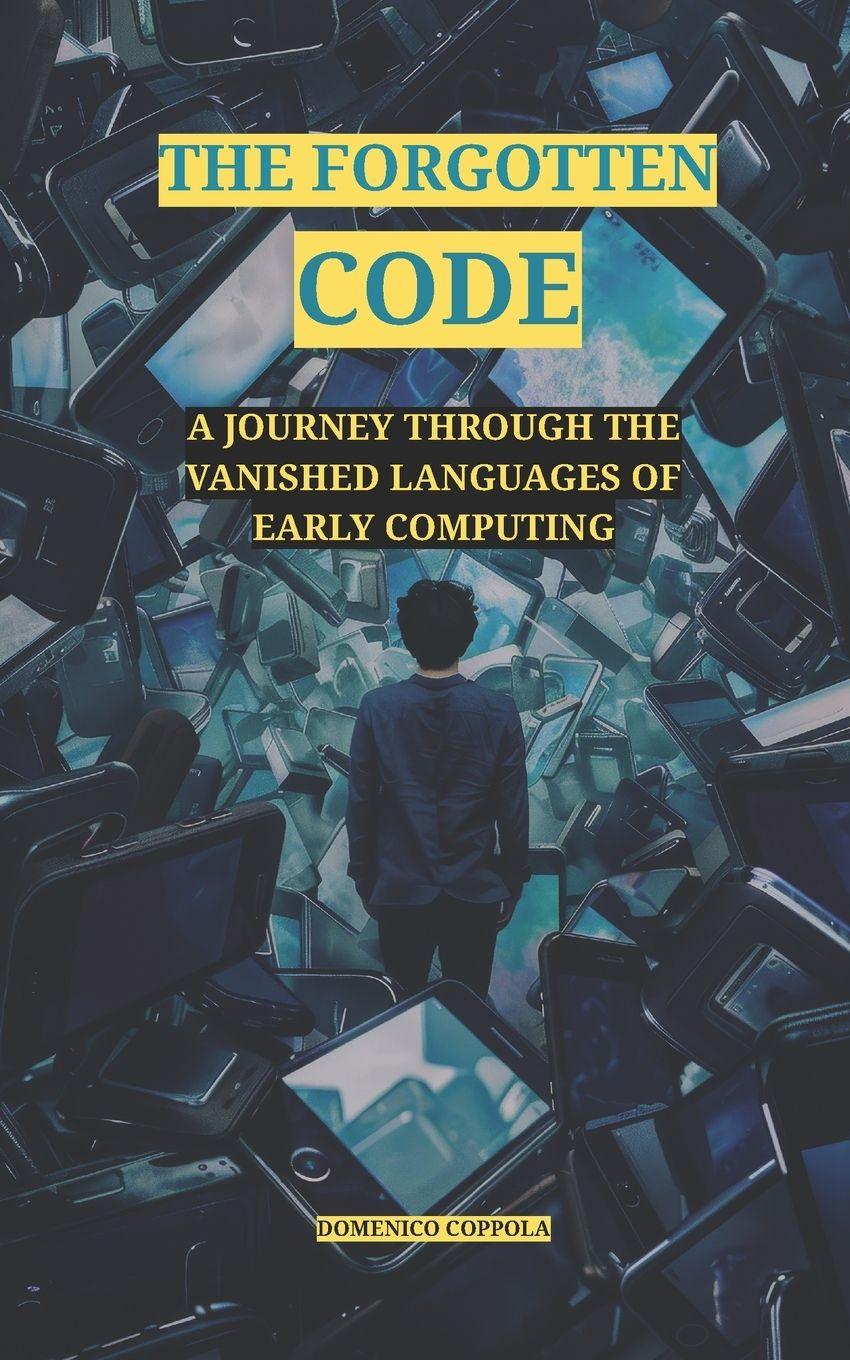
As we revel in our favorite programming languages - Rust's ease, Python's security, JavaScript's popularity - we often forget their pioneers who created them. Digital archaeology unearths obscure ones, such as Plankalkul (from the 1940s), as the first high-level programming language, as well as LISP (1958), which introduced functional programming long before its mainstream adoption. These languages weren't failures but rather due to limited hardware/corporate decisions, or simply being way ahead of their time.
Examining these systems can shed light on alternative approaches to problem-solving. The Smalltalk Actor Model (1972), for instance, inspired current distributed systems, while APL's (1966) array-based designs paved the way for modern-day data science. Their clashes--similar to ALGOL where brilliance met complexity--illustrate that adoption depends on more than technical merit alone: educational requirements, industry trends, and usability all play key roles.
Cultural artifacts. COBOL was developed during the 1960s business requirements, while Forth's minimalistic style reflected earlier embedded systems. Even parody languages like INTERCAL (1972) revealed deeper truths about design; Simula (1967) marked an early evolution of object-oriented concepts later adopted in Java and C++ programming languages.
Modern tools often unknowingly revisit older concepts. JavaScript's development parallels Modula-2 (1978), while WebAssembly begins its roots back with Pascal P-code. By studying these "obsolete" languages' logic closely, developers may discover solutions they hadn't considered or find ways to enhance current concepts.
Legacy code remains embedded in every program running today, reminding us to view history as not linear but instead as an infinite maze of untapped potential and reminding us that our past doesn't need to die; rather, it provides us with an opportunity for modification to address current and future needs.


Informácie o knihe
Angličtina
