Doprava zdarma pre objednávky nad 59,99 € s Packetou a SPS Boxmi.

Staňte sa súčasťou komunity milovníkov kníh z celého sveta a získajte hromadu výhod.
Založiť účet zdarma
Doprava zadarmo s Packetou nad 59.99 €
Kuriér DPD 2.99 €
Kuriér GLS 3.99 €
Zberné miesto GLS 2.49 €
SPS 3.99 €
SPS Parcel Shop 2.99 €
Packeta kurýr 3.99 €
Slovenská pošta 3.99 €
Zberné miesto DPD 2.99 €
Packeta 2.99 €
 Kontakt
 Ako nakupovať
Pomoc
Doručenie
Kuriér DPD 2.99 €
Kuriér GLS 3.99 €
Zberné miesto GLS 2.49 €
SPS 3.99 €
SPS Parcel Shop 2.99 €
Packeta kurýr 3.99 €
Slovenská pošta 3.99 €
Zberné miesto DPD 2.99 €
Packeta 2.99 €
Doprava zadarmo s Packetou nad 59.99 €
Nákupný poradca
Sme tu pre Vás!
02/210 210 99
Môj účet
▸
Prázdny :-(
0
Doprava zdarma pre objednávky nad 59,99 € s Packetou a SPS Boxmi.
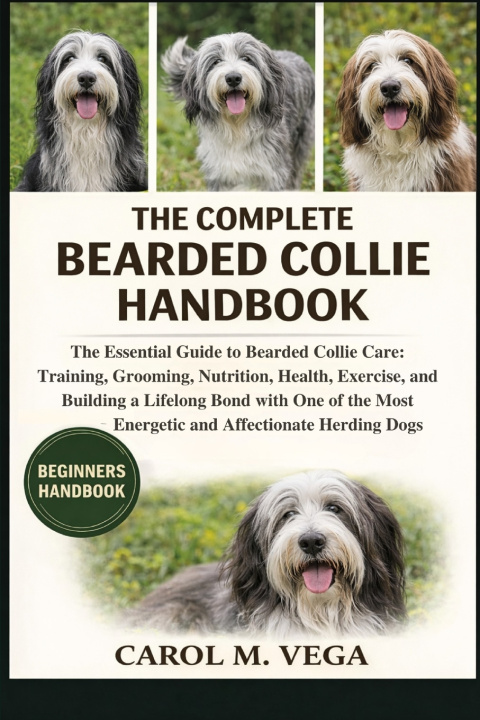
THE COMPLETE BEARDED COLLIE HANDBOOK
The Essential Guide to Bearded Collie Care: Training, Grooming, Nutrition, Health, Exercise, and Building a Lifelong Bond with One of the Most Energetic and Affectionate Herding Dogs
Jazyk
 Angličtina
Angličtina
Kniha
Brožovaná
Introduction to the Bearded CollieA Breed Known for Character and EnergyThe Bearded Collie is one of...
Celý popis
Libristo kód: 51653671
?
 48 b
48 b
48 b
19.78
€
Očakávané naskladnenie
Naskladnenie 13. 04. 2026
Až 30 dní na vrátenie tovaru

Introduction to the Bearded Collie
A Breed Known for Character and Energy
The Bearded Collie is one of the most distinctive and charismatic herding dogs in the canine world. Recognized instantly by its flowing coat, lively expression, and constant movement, this breed carries a personality that combines intelligence, enthusiasm, and an unmistakable sense of joy. People who encounter a Bearded Collie for the first time often notice the same things: the bright eyes that seem full of curiosity, the shaggy coat that gives the dog its iconic appearance, and the lively, almost bouncing gait that suggests a dog constantly ready for activity.The breed is sometimes affectionately called the "Beardie," a nickname used by owners and enthusiasts around the world. While the name may sound playful, it reflects the affectionate relationship people often develop with these dogs. Bearded Collies are rarely quiet observers of life; instead, they are active participants, eager to interact with their environment and the people around them.
What makes the Bearded Collie particularly fascinating is the balance it carries between historical purpose and modern companionship. For centuries, these dogs worked in rugged landscapes as herding animals, guiding sheep and cattle across open fields and rough terrain. That working heritage remains deeply embedded in their character. Even when living in a family home far from farms or pastures, the Bearded Collie retains the instincts of a herding dog: alertness, intelligence, and a desire to stay mentally and physically engaged.
Understanding this combination of heritage and personality is the first step toward appreciating what makes the Bearded Collie unique.
The Distinctive Appearance
One of the most recognizable features of the Bearded Collie is its coat. Long, flowing, and often slightly tousled, the coat forms a natural frame around the dog's face and body. The breed's name comes from the longer hair beneath the chin, which resembles a beard. This facial hair contributes to the dog's expressive appearance, giving it a look that can seem both wise and mischievous at the same time.
The coat is not merely decorative. Historically, it served an important purpose. In the harsh climates where the breed developed, the dense outer coat and softer undercoat protected the dog from wind, rain, and cold temperatures. When working outdoors in all seasons, this protective layer helped the dogs continue their tasks even in challenging conditions.
Colors within the breed vary widely. Puppies are often born in darker shades that gradually change as they mature, sometimes becoming lighter or developing subtle variations in tone. Owners frequently notice that the coat color evolves over time, adding another dimension to the dog's development.
Herečka
&
Polyglotka
EWA KASP
pre
Prehrať video


Libristo má najväčší výber cudzojazyčnej literatúry. Preto si knihy kupujem tu.
Informácie o knihe
Celý názov
THE COMPLETE BEARDED COLLIE HANDBOOK
Autor
CAROL M. VEGA
Jazyk
Angličtina
Angličtina
Väzba
Kniha - Brožovaná
Dátum vydania
2026
Počet strán
196
EAN
9798255244157
Libristo kód
51653671
Nakladateľstvo
Independently published
Váha
271
Rozmery
152 x 229 x 11

Darujte túto knihu ešte dnes
Je to jednoduché
1 Pridajte knihu do košíka a vyberte možnosť doručiť ako darček 2 Obratom Vám zašleme poukaz 3 Knihu zašleme na adresu obdarovaného
Knižný radca Libroamiko
Používaním tohto chatu komunikujete s generatívnou umelou inteligenciou. Jeho používaním tiež súhlasíte so spracovaním osobných údajov.
Ahoj! Som Libroamiko, tvoj knižný radca.
Ako ti môžem pomôcť?
Ahoj, som Libroamiko, môžem pomôcť?