
 Kontakt
 Ako nakupovať

Doručenie
Nákupný poradca
 Angličtina
 24 b
 Pripravujeme
 Nové
Až 30 dní na vrátenie tovaru

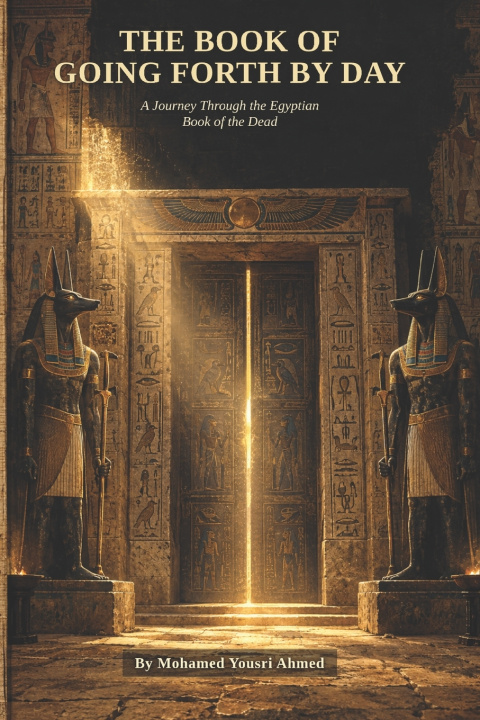
What if the oldest book about death is really a book about how to live?
The Papyrus of Ani is one of the most beautiful surviving manuscripts of the ancient Egyptian Book of the Dead. It is also one of the most misunderstood.
Most books about the Book of the Dead either flatten it into mythology or bury it in philology. This book does neither. It takes the Papyrus of Ani - held today in the British Museum under EA10470 - and reads it as a journey. Each chapter opens a gate. Behind every gate stands a question: Will the body hold? Will the food last? Will the name be spoken? Will the heart balance?
At the centre of this journey is the heart.
In the judgment scene, the heart is placed on the scales and weighed against the feather of Ma'at. But in Spell 30B, the deceased turns to his own heart and begs it not to testify against him. The heart is not evidence. It is a witness - a being with a voice, and the power to betray.
This is not a translation. It is an interpretive literary journey through one of the world's oldest and most intimate encounters with death. The spells are presented as editorial paraphrases, with precise references to the British Museum's frame numbers and to the scholarly translations of Faulkner, Allen, and Goelet for readers who wish to verify the ancient text.
Inside, you will find:
• A chapter-by-chapter journey through the Papyrus of Ani, from the heart's testimony to the final judgment
• A dedicated chapter on the women who owned and commissioned their own Books of the Dead
• A frame index linking every chapter to the British Museum's collection records
• A glossary of Egyptian terms: ib, ka, ba, ren, maa-kheru, and more
• A practical guide to writing your own name in a cartouche
For readers of mythology, ancient history, and anyone who has ever stood at a threshold and wondered whether they would be allowed through.
"A book that says 'I do not know' is more trustworthy than a book that guesses." - from the Conclusion


Informácie o knihe
Angličtina

Darujte túto knihu ešte dnes
Je to jednoduché
1 Pridajte knihu do košíka a vyberte možnosť doručiť ako darček 2 Obratom Vám zašleme poukaz 3 Knihu zašleme na adresu obdarovanéhoAhoj! Som Libroamiko, tvoj knižný radca.
Ako ti môžem pomôcť?