
 Kontakt
 Ako nakupovať
Doručenie
Nákupný poradca
 Angličtina
 138 b
138 b
30 dní na vrátenie tovaru
Mohlo by vás tiež zaujímať



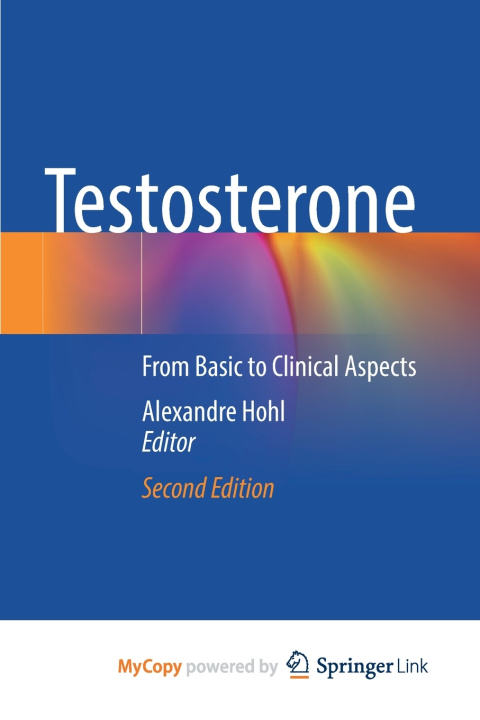
Even though research on testosterone is increasing, there is still much controversy regarding its physiology and clinical use. This book provides a broad overview on testosterone, from its basic features to the most recent evidence of clinical applicability. In addition, specific conditions in which testosterone play a pivotal role are discussed in detail, such as hypogonadism, misuse and abuse, puberty, cardiovascular effects and testosterone therapy.
The testes are vital organs for reproduction of the human species, besides being the main source of testosterone production in men. Although not essential for survival, these singular structures represent the essence of male biological function.
Testosterone is the most important testicular androgen in men. Low serum testosterone levels are associated with cardiovascular morbidity, metabolic syndrome, type 2 diabetes mellitus, atherosclerosis, osteoporosis, sarcopenia, and mortality. Also, there is increasing evidencethat serum testosterone is a major biomarker status of men's health in general.
Hypogonadism in a male refers to a decrease in one or both of the two major functions of the testes: sperm production or testosterone production. These abnormalities can result from disease of the testes (primary hypogonadism) or disease of the pituitary or hypothalamus (secondary hypogonadism). Currently, the clinical features of male hypogonadism are sufficiently well-recognized, the causes are well-known, and the tests of the hypothalamic-pituitary-testicular axis are accurate enough for the diagnosis in most patients.
Testosterone, the focus hormone of this book, is used in different forms and routes of administration. Several authors unravel its peculiarities and assist in choosing the most suitable form in each case, as well as the possible risks of its misuse or even abuse in men and women, seeking alternatives to help patients in this situation.


Informácie o knihe
Angličtina
