
 Kontakt
 Ako nakupovať
Doručenie
Nákupný poradca
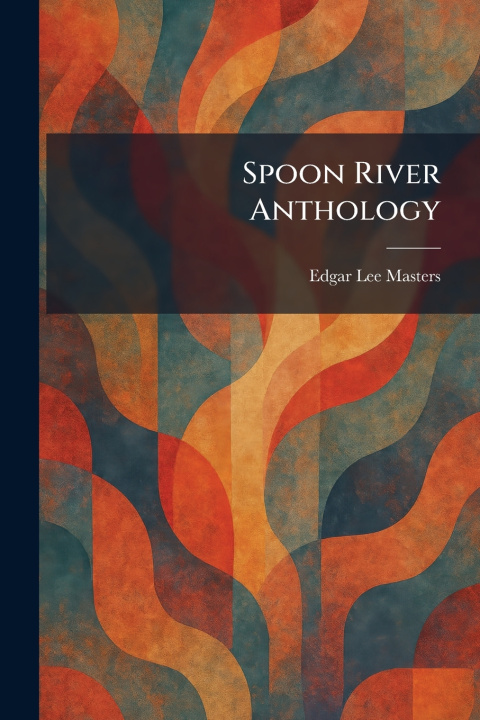
Spoon River Anthology
 Angličtina
 55 b
55 b
30 dní na vrátenie tovaru

"Spoon River Anthology" is a landmark collection of poems that revolutionized American literature through its innovative structure and stark realism. Written by Edgar Lee Masters, this work consists of over two hundred free-verse epitaphs spoken from beyond the grave by the former residents of a fictional town in Illinois. Each poem serves as an honest, often haunting confession, revealing the secret lives, hidden scandals, and unspoken truths of a small-town community at the turn of the twentieth century.
Through the diverse voices of laborers, lawyers, wives, and outcasts, Masters paints a panoramic portrait of humanity that transcends its rural setting. The interconnected narratives explore universal themes of love, loss, betrayal, and the struggle for personal fulfillment. As the deceased speak, they offer a collective commentary on the social and moral complexities of American life, stripping away the veneer of midwestern respectability to expose the raw emotions and psychological depth underneath.
A masterpiece of literary modernism, "Spoon River Anthology" remains a powerful exploration of the human condition. Its influence on American poetry and prose is profound, marking a departure from traditional Victorian forms and paving the way for a more psychological and candid approach to storytelling.
This work has been selected by scholars as being culturally important, and is part of the knowledge base of civilization as we know it. This work was reproduced from the original artifact, and remains as true to the original work as possible. Therefore, you may see the original copyright references, library stamps (as most of these works have been housed in our most important libraries around the world), and other notations in the work.
This work is in the public domain in the United States of America, and possibly other nations. Within the United States, you may freely copy and distribute this work, as no entity (individual or corporate) has a copyright on the body of the work.
As a reproduction of a historical artifact, this work may contain missing or blurred pages, poor pictures, errant marks, etc. Scholars believe, and we concur, that this work is important enough to be preserved, reproduced, and made generally available to the public. We appreciate your support of the preservation process, and thank you for being an important part of keeping this knowledge alive and relevant.


Informácie o knihe
Angličtina
