
 Kontakt
 Ako nakupovať
Doručenie
Nákupný poradca
 Angličtina
 513 b
513 b
 Pripravujeme
 Nové
Nové
Až 30 dní na vrátenie tovaru

Complex canine and feline cases rarely stay inside one organ system. A weak patient may also be anemic, dehydrated, painful, and affected by treatment.
A surprising laboratory result may reflect disease, timing, specimen quality, or method. The safest plan begins by representing the whole problem clearly.
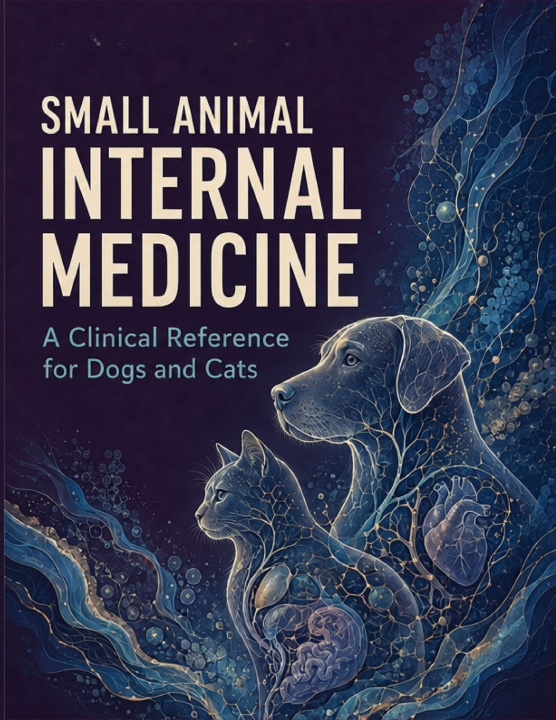
Small Animal Internal Medicine is a practical, system-based clinical reference for veterinarians, interns, senior veterinary students, and veterinary technicians. It organizes common presentations around the decisions that matter at the point of care: stabilization, localization, diagnostic testing, interpretation, treatment monitoring, reassessment, and handoff.
Inside, readers will find:
- Twenty chapters spanning emergency assessment, fluids and electrolytes, cardiovascular, respiratory, gastrointestinal, hepatobiliary, renal, endocrine, hematologic, immune-mediated, infectious, neurologic, dermatologic, oncologic, musculoskeletal, ophthalmic, reproductive, neonatal, geriatric, and integrated case management
- Practical frameworks for distinguishing a detected abnormality from the disease actually causing the patient's signs
- Evidence checks for specimen quality, laboratory interpretation, imaging, therapeutic trials, and discordant results
- Premium two-color tables, clinical safety panels, and verification moments designed for rapid navigation
- Reusable clinical worksheets for monitoring, medication reconciliation, diagnostic evidence, referral, emergency transfer, home observation, and quality-of-life discussions
Use it to build a clearer problem representation, choose tests that serve a decision, measure benefit and harm, and keep every care transition connected.


Informácie o knihe
Angličtina

Darujte túto knihu ešte dnes
Je to jednoduché
1 Pridajte knihu do košíka a vyberte možnosť doručiť ako darček 2 Obratom Vám zašleme poukaz 3 Knihu zašleme na adresu obdarovanéhoAhoj! Som Libroamiko, tvoj knižný radca.
Ako ti môžem pomôcť?