
 Kontakt
 Ako nakupovať
Doručenie
Nákupný poradca
 Angličtina
 119 b
119 b
30 dní na vrátenie tovaru
Zákazníci tiež kúpili







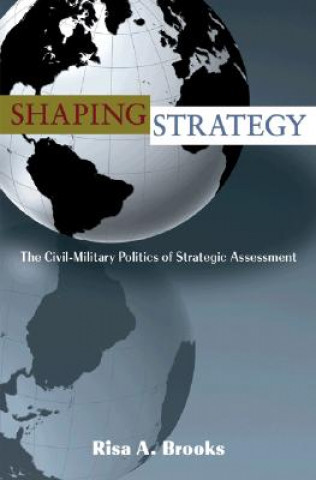
Good strategic assessment does not guarantee success in international relations, but bad strategic assessment dramatically increases the risk of disastrous failure. The most glaring example of this reality is playing out in Iraq today. But what explains why states and their leaders are sometimes so good at strategic assessment - and why they are sometimes so bad at it? Part of the explanation has to do with a state's civil-military relations. In "Shaping Strategy", Risa Brooks develops a novel theory of how states' civil-military relations affect strategic assessment during international conflicts. And her conclusions have broad practical importance: to anticipate when states are prone to strategic failure abroad, we must look at how civil-military relations affect the analysis of those strategies at home.Drawing insights from both international relations and comparative politics, "Shaping Strategy" shows that good strategic assessment depends on civil-military relations that encourage an easy exchange of information and a rigorous analysis of a state's own relative capabilities and strategic environment. Among the diverse case studies the book illuminates, Brooks explains why strategic assessment in Egypt was so poor under Gamal Abdel Nasser prior to the 1967 Arab-Israeli war and why it improved under Anwar Sadat. The book also offers a new perspective on the devastating failure of U.S. planning for the second Iraq war. Brooks argues that this failure, far from being unique, is an example of an assessment pathology to which states commonly succumb.


Informácie o knihe
Angličtina
Kategórie

Darujte túto knihu ešte dnes
Je to jednoduché
1 Pridajte knihu do košíka a vyberte možnosť doručiť ako darček 2 Obratom Vám zašleme poukaz 3 Knihu zašleme na adresu obdarovanéhoMohlo by vás tiež zaujímať










Ahoj! Som Libroamiko, tvoj knižný radca.
Ako ti môžem pomôcť?