
 Kontakt
 Ako nakupovať
Doručenie
Nákupný poradca
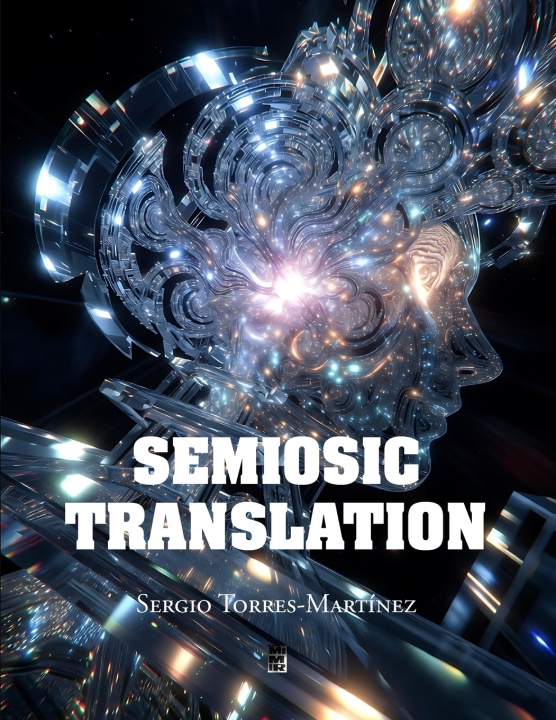
Semiosic Translation
Embodied Cognition, Semiotics, and the Dynamics of Meaning-Making
 Angličtina
 165 b
165 b
Až 30 dní na vrátenie tovaru

This new edition of a book on translation from a semiotic standpoint celebrates ten years of Semiosic Translation, a theory of translation and translating that encompasses the dynamic process of transforming signs across diverse semiotic systems, transcending conventional linguistic translation to embrace comprehensive cross-modal semiotic interactions. The present book should be read as a compilation of past errors and new theoretical paths that, considered as a whole, illuminate the interconnected, fluid nature of sign exchange, challenging traditional theoretical constraints such as Jakobson's trichotomy or rigid Peircean classifications.
Conceptual progression by chapter
1. Introducing Semiosic Translation - Defines core principles: inclusivity, rejection of sign hierarchies, and sensory-driven meaning.
2. Translation in Semiotics - Critiques traditional models (Locke, Peirce, Jakobson) and reframes translation as sign-system interplay.
3. Translating Wittgenstein's Bild - Defines the key term Bild in Wittgenstein´s Tractatus and the Philosophical Investigations as a recursive sign system, challenging its reduction to "picture."
4. Semiosic Translation of the Tractatus - Models translation as non-deterministic sign action using Peircean abduction and Wittgenstein's rule-following paradox.
5. Celan's Holocaust Poetry as Anti-Semiosis - Trauma disrupts sign-object-interpretant chains, creating a semiotic void.
6. Bayesian-Heuristic Translation - Frames translation as uncertainty negotiation, using bodily semiosis to construct preferred futures.
7. Fairy-Tale Adaptations in Cinema - Examines metaleptic translation in Sucker Punch, revealing unstable subjectivity.
8. Semiosic Subtitling - Explores multimodal subtitling as semiotic anchoring in language learning.
9. Systemic Functional Linguistics & Semiotic Metaphors - Expands process-type analysis to social-semiotic contexts.
10. Response to Critics - Counters misreadings (e.g., Jia's semiosphere critique); asserts translation as semiosis's generative core.
11. Bioorthogonal chemistry & predictive semiosis - Models molecular interactions as entropy-reducing sign systems.


Informácie o knihe
Angličtina
