
 Kontakt
 Ako nakupovať
Doručenie
Nákupný poradca
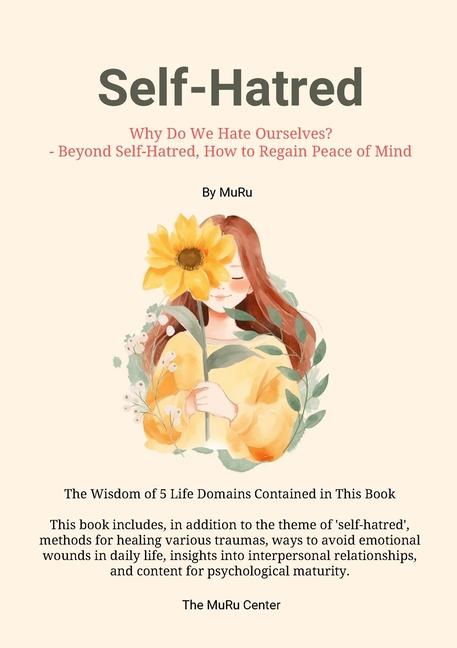
Self-Hatred
 Angličtina
 33 b
33 b
30 dní na vrátenie tovaru

"By unraveling the unconscious chains of self-hatred through this book, you will not only find solutions to your personal problems, but also to issues involving others and a wide range of life's challenges."
This book addresses various approaches to healing trauma-including the theme of "self-hatred"-while also offering insights into how to avoid emotional wounds in daily life, understand human relationships, and guide oneself toward psychological maturity.
Key Points of This Book:
- Self-hatred is a psychological trait that everyone possesses to some degree. It can manifest as self-criticism, severe self-deprecation, self-loathing, or guilt.
- At the root of self-hatred lies concealed self-love and a sense of superiority. Attempts to become a better self have become distorted, leading to negative outcomes.
- We often identify with a negative self-image and strive to maintain it-an instinct to protect ourselves mistakenly at work.
- Overcoming self-hatred requires not the mere suppression or neglect of it, but understanding its mechanisms and bringing them into consciousness.
- We must not view "I" as something defined by content or conditions, but instead recognize our unconditional value as an existing being.
- Hatred or projection toward others can be an expression of self-hatred. Recognizing and overcoming this is crucial.
- Healthy relationships require the pursuit of horizontal love rather than vertical dependence.
- By overcoming self-hatred and practicing genuine self-love, we can lead happier and more abundant lives.
The structure of this book's five chapters is as follows:
-Chapter 1
-Chapter 2
-Chapter 3 <'I' Am Not a Being Determined by Content> focuses on identity-a crucial life issue. Many adults lack healthy identities despite being expected to guide children. This chapter helps us grasp the essence of identity and develop a healthy, mature sense of self.
-Chapter 4
-Chapter 5


Informácie o knihe
Angličtina

Darujte túto knihu ešte dnes
Je to jednoduché
1 Pridajte knihu do košíka a vyberte možnosť doručiť ako darček 2 Obratom Vám zašleme poukaz 3 Knihu zašleme na adresu obdarovanéhoAhoj! Som Libroamiko, tvoj knižný radca.
Ako ti môžem pomôcť?