
 Kontakt
 Ako nakupovať
Doručenie
Nákupný poradca
 Angličtina
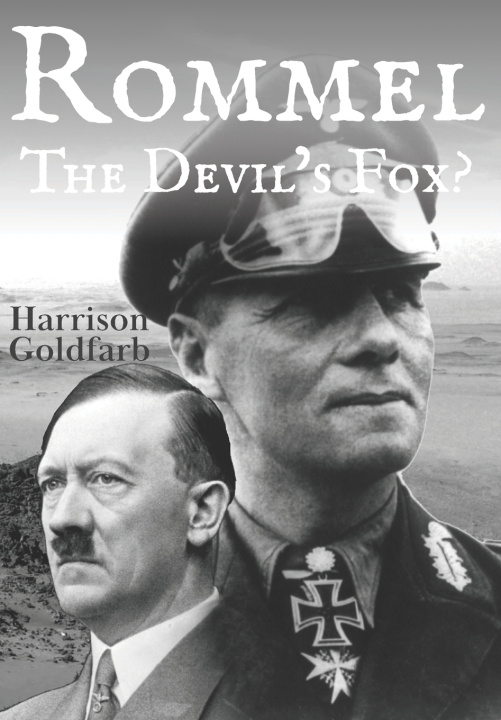
 44 b
44 b
30 dní na vrátenie tovaru

From 1945 to 1949, the victorious Allied powers held the Nuremberg Trials where leading Nazi generals were tried for crimes they were charged to have committed during the Second World War. Cowards such as Heinrich Himmler killed themselves and their families to escape justice while others like disgraced Luftwaffe leader Herman Goering committed suicide after their convictions to avoid their executioner.
As famed reputations were tarnished and war crimes exposed to the world, one man escaped the political ashes: Erwin Rommel. Having died during the war and having been stationed (mostly) away from the main atrocities, the Allies paid little attention to the now decaying Field Marshal. After all, Europe was a pile of rubble, and there were tens of millions of Germans who had to be de-Nazified. A corpse couldn't harm anyone. And so, Rommel soon faded from the thoughts of Allied prosecutors.
As the 1940s came to an end and the 1950s began, political alliances changed; the West's relationship with the Soviet Union deteriorated, and Germany was divided and demoralized. At the same time, Rommel was buried six feet under the ground. Some Western leaders began to ponder if their old nemesis could be repurposed. What if the body of the Desert Fox could be resurrected, or rather his reputation rewritten? They formulated ideas for how his spirit could now serve as a unifier of the West German people and an excuse for early defeats suffered by the Allies, for Rommel was hailed as an unstoppable adversary. The two year African Campaign became known as a romantic ballet of the Desert Fox, one upping his British opponents until he met his match in the form of Field Marshal Bernard Montgomery. Over the next decade, their mission would become a success, with Rommel being presented as an honorable German leader who was not involved with the mass slaughter and destruction of his Nazi counterparts.
But what if he was investigated? What if the Allies had dug up his real corpse and seen what it was hiding? Would the "good" stories presented in court stand up to scrutiny? How much did they align with reality?
While we never will know what would have happened if Erwin Rommel was tried for his actions during the war, we can theorize. By examining his life and legacy over 80 years after the end of World War II through the perspective of a hypothetical court trial, I hope that by the end of this book, we will be able to uncover the true story of Rommel and his involvement in the most destructive conflict in human history.


Informácie o knihe
Angličtina

Darujte túto knihu ešte dnes
Je to jednoduché
1 Pridajte knihu do košíka a vyberte možnosť doručiť ako darček 2 Obratom Vám zašleme poukaz 3 Knihu zašleme na adresu obdarovanéhoAhoj! Som Libroamiko, tvoj knižný radca.
Ako ti môžem pomôcť?