
 Kontakt
 Ako nakupovať
Doručenie
Nákupný poradca
Robot Ethic
 Angličtina
 46 b
46 b
Až 30 dní na vrátenie tovaru

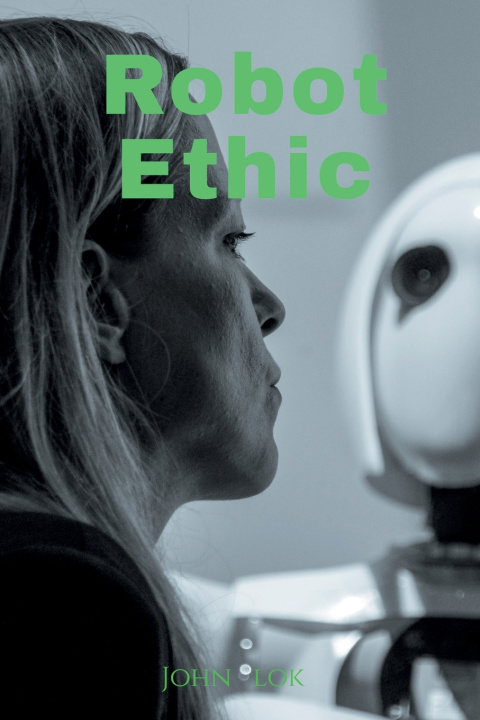
:In traditional economic models, human behavior is often predicated on rational choice theory, where agents maximize utility based on predictable interactions. However, as my view in the field of machine ethics suggests, the presence of robots introduces "algorithmic nudging," where the design of the robot-its interface, its decision-making parameters, and its physical form-shapes human expectations and actions.
When robots perform tasks previously held by humans, individuals often experience a psychological shift known as "de-skilling" or "automation bias," where the human operator becomes overly reliant on the machine's output, thereby diminishing their own critical engagement with the task at hand.Furthermore, the "robot ethic" framework suggests that as robots become more integrated into the workplace, they redefine the social contract between employer and employee.
My view argues that this influence is not merely technical but deeply moral; it forces a renegotiation of responsibility. When a robot makes an error that results in economic loss, the human tendency to attribute blame is complicated by the machine's autonomy. This ambiguity leads to a change in human behavior, characterized by either increased caution or, conversely, a sense of moral detachment from the outcomes of automated processes.


Informácie o knihe
Angličtina

Darujte túto knihu ešte dnes
Je to jednoduché
1 Pridajte knihu do košíka a vyberte možnosť doručiť ako darček 2 Obratom Vám zašleme poukaz 3 Knihu zašleme na adresu obdarovanéhoAhoj! Som Libroamiko, tvoj knižný radca.
Ako ti môžem pomôcť?