
 Kontakt
 Ako nakupovať
Doručenie
Nákupný poradca
 Angličtina
 34 b
34 b
30 dní na vrátenie tovaru

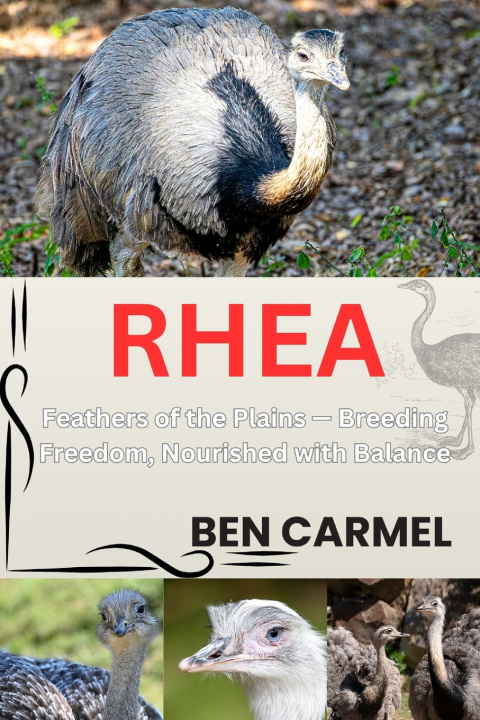
Step into the vast open plains and meet the majestic Rhea, a large, flightless bird whose elegant feathers and graceful presence symbolize freedom and natural beauty. Rhea: Feathers of the Plains offers an immersive guide to its behavior, diet, breeding, and habitat, combining stunning illustrations with engaging, educational facts. Perfect for wildlife enthusiasts, students, educators, and bird lovers, this book provides practical insights for understanding and observing this unique species in its natural environment.
Greater Rheas organize their lives around flexible, coordinated movement patterns shaped by season, resource availability, and social dynamics. They are primarily diurnal, beginning their activities shortly after sunrise and remaining engaged in foraging and social interaction until late afternoon. During the cooler hours of morning and evening, they travel greater distances in search of food, water, and open spaces suitable for vigilance, while midday periods are often devoted to resting, dust bathing, and shade seeking.
Movement within a group is fluid but purposeful. Rheas rarely remain in one area for long unless a location provides abundant forage. Instead, they shift across the landscape in a loosely synchronized manner, maintaining enough distance to forage independently while staying close enough to benefit from collective alertness. Individuals often pause to scan the surroundings, and when one bird becomes attentive, others respond almost immediately. This responsive, shared vigilance allows rheas to detect predators or disturbances earlier than most solitary species.
Flock structure varies throughout the year. Outside the breeding season, groups may consist of mixed-age individuals, sometimes forming aggregations of 20 or more. These seasonal flocks arise from a balance of social tolerance, foraging opportunity, and predator avoidance. However, once males begin territorial and courtship behaviors, flock composition shifts dramatically. Males separate from one another, females cluster loosely, and juveniles form independent foraging groups that avoid adult conflicts. After breeding, when males assume full responsibility for nests and chicks, females may return to larger group formations, while males remain solitary or accompanied only by their offspring.
Daily routines are predictable yet adaptable. Foraging involves methodical walking combined with frequent pecking at plants, seeds, insects, and small vertebrates. Rest is often taken in open areas where visibility is high, and the birds may lie with legs folded beneath the body, necks extended straight or curved across the back. Dust bathing, sunning, and social preening also occur throughout the day, strengthening group cohesion and maintaining feather condition. These routines form the behavioral foundation that enables rheas to navigate environments where constant vigilance and efficient resource use are essential to survival.


Informácie o knihe
Angličtina

Darujte túto knihu ešte dnes
Je to jednoduché
1 Pridajte knihu do košíka a vyberte možnosť doručiť ako darček 2 Obratom Vám zašleme poukaz 3 Knihu zašleme na adresu obdarovanéhoAhoj! Som Libroamiko, tvoj knižný radca.
Ako ti môžem pomôcť?