
 Kontakt
 Ako nakupovať
Doručenie
Nákupný poradca
 Angličtina
 165 b
165 b
Až 30 dní na vrátenie tovaru
Zákazníci tiež kúpili









 /
/
 Brožovaná
 23.69
€
23.69
€






 /
Brožovaná
44.37
€
/
Brožovaná
44.37
€


 /
Pevná
12.19
€
/
Pevná
12.19
€


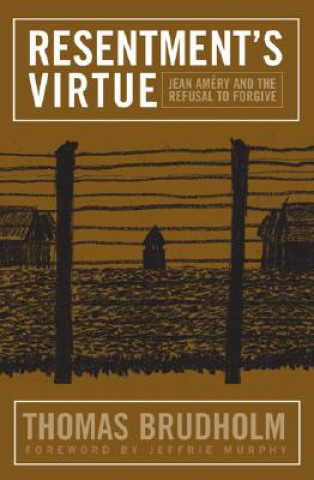
Most current talk of forgiveness and reconciliation in the wake of collective violence proceeds from an assumption that forgiveness is always admirable and superior to resentment and resistance to reconciliation. Victims who demonstrate a willingness and ability to forgive and 'look to the future' are often celebrated as moral models of magnanimity and generosity, while those who refuse to forgive and let go of their resentment are often taken to be in the grips of a regrettable pathological, or degrading state, and suffering from an excess of vindictiveness. Resentment is often only seen as the negative state to be overcome, the irrational, immoral; the unhealthy attitudes of victims who are not 'ready' or 'capable' of forgiving and healing. Arguing beyond hasty dichotomies and unexamined moral assumptions, "Resentment's Virtue" offers a more nuanced approach to an understanding of the reasons why survivors of mass atrocities sometimes harbour resentment and refuse to forgive. Building on a close examination of the writings of Holocaust-survivor Jean Amery, Brudholm argues that the preservation of resentment or the resistance to calls for forgiveness can be the reflex of a moral protest and ambition that might be as permissible, humane or honourable as the willingness to forgive.


Informácie o knihe
Angličtina

Darujte túto knihu ešte dnes
Je to jednoduché
1 Pridajte knihu do košíka a vyberte možnosť doručiť ako darček 2 Obratom Vám zašleme poukaz 3 Knihu zašleme na adresu obdarovanéhoMohlo by vás tiež zaujímať











Ahoj! Som Libroamiko, tvoj knižný radca.
Ako ti môžem pomôcť?