
 Kontakt
 Ako nakupovať
Doručenie
Nákupný poradca
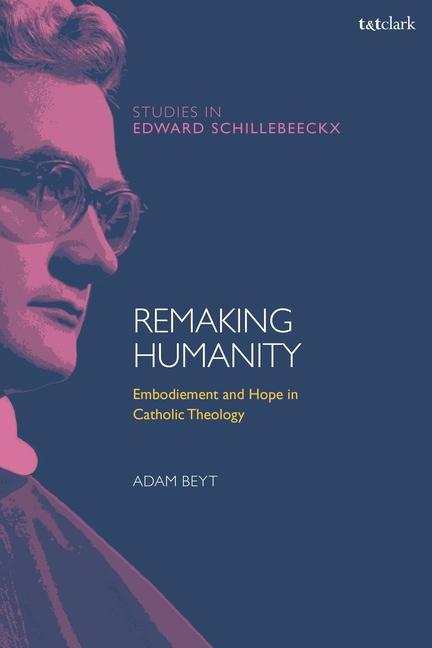
Remaking Humanity
 Angličtina
 104 b
104 b
 Nové
Nové
Až 30 dní na vrátenie tovaru
Zákazníci tiež kúpili

 /
/
 Brožovaná
 54.24
€
54.24
€
 /
Brožovaná
24.14
€
/
Brožovaná
24.14
€




Drawing upon Edward Schillebeeckx's theology and Judith Butler's philosophy, Adam Beyt uses the framework of nonviolent hope to construct a Catholic political theology responding to dehumanizing violence. Dehumanizing violence names words, institutions, or acts violating the inherent dignity of being made in the image and likeness of God. Theology can participate in dehumanizing violence by claiming an uninterrogated universality that marginalizes bodies due to their perceived differences such as gender, race, sexuality, or ability.
The book's constructive project integrates Schillebeeckx's and Butler's thought with queer theory and phenomenology to model embodiment as an "enfleshing dynamism" between bodies and signification. The text then posits Catholic discipleship as incarnating hope by defending the humanum, the new humanity announced through God's Reign. Combining reflections from Schillebeeckx and Butler, this hope centers discipleship as nonviolent world building. Concluding with a sustained reflection with the writings of Franz Fanon and Walter Benjamin, the final chapter sketches a Catholic solidaristic response to contemporary struggles against the necropolitics of colonizing and state violence through assemblies of hope.


Informácie o knihe
Angličtina
Kategórie

Darujte túto knihu ešte dnes
Je to jednoduché
1 Pridajte knihu do košíka a vyberte možnosť doručiť ako darček 2 Obratom Vám zašleme poukaz 3 Knihu zašleme na adresu obdarovanéhoMohlo by vás tiež zaujímať















Ahoj! Som Libroamiko, tvoj knižný radca.
Ako ti môžem pomôcť?