
 Kontakt
 Ako nakupovať
Doručenie
Nákupný poradca
 Angličtina
 125 b
125 b
Až 30 dní na vrátenie tovaru
Zákazníci tiež kúpili












 /
/
 Brožovaná
 13.54
€
13.54
€





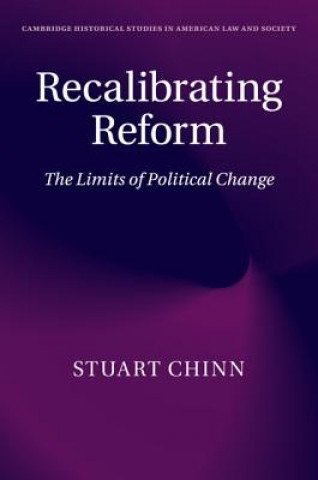
Some of the most important eras of reform in US history reveal a troubling pattern: often reform is compromised after the initial legislative and judicial victories have been achieved. Thus Jim Crow racial exclusions followed Reconstruction; employer prerogatives resurged after the passage of the Wagner Act in 1935; and after the civil rights reforms of the mid-twentieth century, principles of color-blindness remain dominant in key areas of constitutional law that allow structural racial inequalities to remain hidden or unaddressed. When momentous reforms occur, certain institutions and legal rights will survive the disruption and remain intact, just in different forms. Thus governance in the post-reform period reflects a systematic recalibration or reshaping of the earlier reforms as a result of the continuing influence and power of such resilient institutions and rights. Recalibrating Reform examines this issue and demonstrates the pivotal role of the Supreme Court in post-reform recalibration.


Informácie o knihe
Angličtina

Darujte túto knihu ešte dnes
Je to jednoduché
1 Pridajte knihu do košíka a vyberte možnosť doručiť ako darček 2 Obratom Vám zašleme poukaz 3 Knihu zašleme na adresu obdarovanéhoMohlo by vás tiež zaujímať


 /
Brožovaná
28.31
€
/
Brožovaná
28.31
€




 /
Brožovaná
8.99
€
/
Brožovaná
8.99
€











 /
Brožovaná
49.96
€
/
Brožovaná
49.96
€
 /
Brožovaná
79.90
€
/
Brožovaná
79.90
€



Ahoj! Som Libroamiko, tvoj knižný radca.
Ako ti môžem pomôcť?