
 Kontakt
 Ako nakupovať
Doručenie
Nákupný poradca
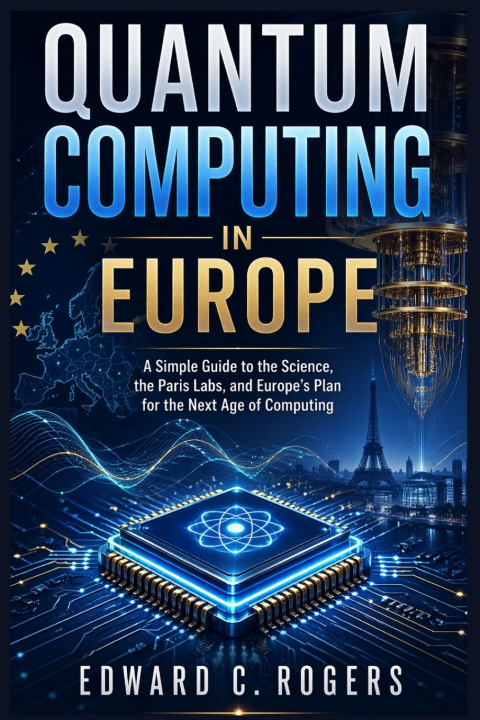
Quantum Computing in Europe
A Simple Guide to the Science, the Paris Labs, and Europe's Plan for the Next Age of Computing
 Angličtina
 42 b
42 b
 Nové
Nové
Až 30 dní na vrátenie tovaru

Step inside a field that sounds mysterious but is starting to shape real plans, real labs, and real competition across the continent. Quantum Computing in Europe is a clear and engaging look at one of the most talked-about technologies of our time. Written for curious readers, this book turns a difficult subject into something easy to follow, without losing the excitement that makes it matter.
This is not a book filled with confusing theory or heavy technical language. It is a practical and readable journey through quantum computing in Europe, showing how scientists, startups, and governments are working to build machines that may change how some of the hardest problems are solved. From the first pages, readers are introduced to the strange and fascinating ideas behind quantum computing for beginners, presented as a simple guide to quantum computing that keeps the subject human, clear, and grounded.
Inside, you will see quantum computers explained in plain English. You will learn why Europe is investing so much in this field, how the Europe quantum strategy is shaping policy and ambition, and why France quantum computing has become one of the most interesting parts of the story. The book takes you into the atmosphere of Paris quantum labs, where silence, cold, precision, and patience all matter. It shows how these places fit into the wider rise of quantum technology Europe is trying to build.
For readers new to the topic, this book offers strong and simple entry points into quantum computing basics. It walks through qubits explained simply, helping you understand what makes quantum machines different from ordinary computers. It also explains the role of the cryostat and quantum computer, showing why extreme cold is not a side detail but part of the heart of the machine. As the book moves deeper, it opens up the challenge of fault tolerant quantum computing, one of the biggest goals in the field today.
You will also find clear explanations of quantum error correction, the difference between logical qubits and physical qubits, and the role of the quantum processor guide in helping readers see how the machine itself works. More than that, the book places these ideas inside the bigger story of the European quantum race, where public funding, private ambition, and scientific talent all meet. It asks what success would mean, what risks remain, and what the future of quantum computing may really look like.
This book is also ideal for anyone searching for quantum science for beginners who wants more than surface-level headlines. It answers the question of how quantum computers work in a way that feels inviting, not overwhelming. It explores the France national quantum plan, the rise of the EU quantum act, and the growing importance of Europe technology policy as countries try to secure a place in tomorrow's most important research and computing efforts.
At the same time, the story stays close to the real people, machines, and ideas driving this movement. It looks at quantum innovation in France, explains the science through a beginner guide to qubits, and connects today's research to the next age of computing that many believe is now beginning to take shape.
If you want a book that is smart but easy to read, timely but not rushed, and informative without talking down to you, this is the guide to own. Quantum Computing in Europe is for readers who want to understand the science, the race, and the reason this field matters now. It is a strong choice for anyone curious about where technology is heading and why Europe wants to be at the center of that story.


Informácie o knihe
Angličtina

Darujte túto knihu ešte dnes
Je to jednoduché
1 Pridajte knihu do košíka a vyberte možnosť doručiť ako darček 2 Obratom Vám zašleme poukaz 3 Knihu zašleme na adresu obdarovanéhoAhoj! Som Libroamiko, tvoj knižný radca.
Ako ti môžem pomôcť?