
 Kontakt
 Ako nakupovať
Doručenie
Nákupný poradca
 Angličtina
 109 b
109 b
30 dní na vrátenie tovaru
Zákazníci tiež kúpili





















 /
/
 Brožovaná
 10.62
€
10.62
€

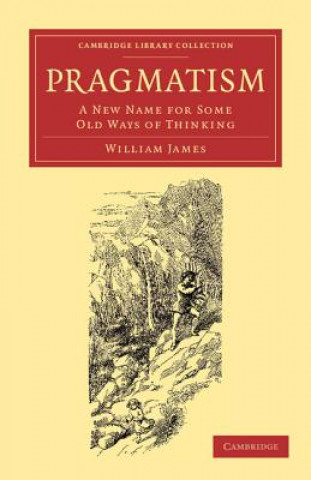
One of the great American pragmatic philosophers alongside Peirce and Dewey, William James (1842–1910) delivered these eight lectures in Boston and New York in the winter of 1906–7. Though he credits Peirce with coining the term 'pragmatism', James highlights in his subtitle that this 'new name' describes a philosophical temperament as old as Socrates. The pragmatic approach, he says, takes a middle way between rationalism's airy principles and empiricism's hard facts. James' pragmatism is both a method of interpreting ideas by their practical consequences and an epistemology which identifies truths according to their useful outcomes. Furnished with many examples, the lectures illustrate pragmatism's response to classic problems such as the question of free will versus determinism. Published in 1907, this work further develops James's approach to religion and morality, introduced in The Will to Believe (1897) and The Varieties of Religious Experience (1902), both reissued in this series.


Informácie o knihe
Angličtina

Darujte túto knihu ešte dnes
Je to jednoduché
1 Pridajte knihu do košíka a vyberte možnosť doručiť ako darček 2 Obratom Vám zašleme poukaz 3 Knihu zašleme na adresu obdarovanéhoMohlo by vás tiež zaujímať


 /
Brožovaná
7.28
€
/
Brožovaná
7.28
€



 /
Brožovaná
9.81
€
/
Brožovaná
9.81
€
 /
Brožovaná
15.79
€
/
Brožovaná
15.79
€
 /
Brožovaná
26.52
€
/
Brožovaná
26.52
€


 /
Brožovaná
14.07
€
/
Brožovaná
14.07
€


Ahoj! Som Libroamiko, tvoj knižný radca.
Ako ti môžem pomôcť?