
 Kontakt
 Ako nakupovať
Doručenie
Nákupný poradca
 Angličtina
 24 b
24 b
 Nové
Nové
30 dní na vrátenie tovaru

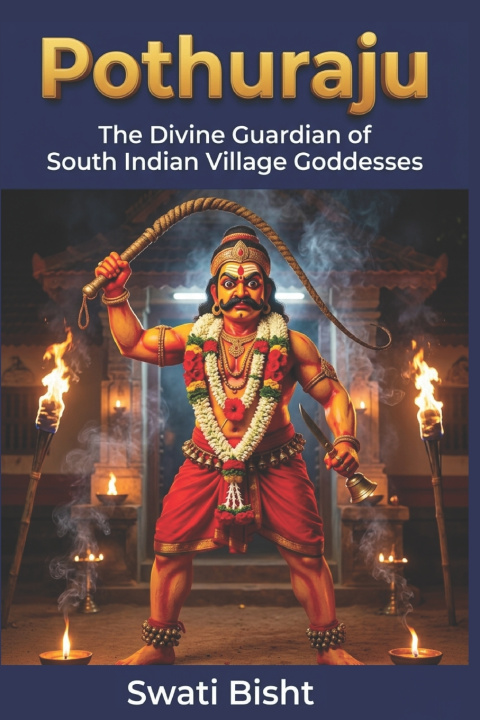
Who stands as the eternal sentry between the village and the unknown? This volume addresses the cultural significance of the folk deity Pothuraju, providing a rigorous analysis for historians, anthropologists, and spiritual seekers interested in the authentic, non-Vedic traditions of the Deccan plateau and their enduring social relevance.
The spiritual geography of the South Indian village is governed by an ancient hierarchy of protective entities. At the center of this world is the village goddess, but her authority is enforced and protected by her brother, the divine guardian. Often depicted with a whip and a formidable presence, this figure represents a unique intersection of martial prowess and spiritual service. This text provides an objective look at the rituals that define this relationship, moving beyond the surface-level spectacle of public processions.
By situating these practices within the broader context of Dravidian folk religion, the book explores how these traditions provide a sense of continuity for millions. It documents the transition of oral myths into tangible ritual performances, where the devotee reflects the deity through specific rites. This analysis sheds light on the complex social structures, including specific caste roles and lineage responsibilities, that have allowed these traditions to persist despite the pressures of urbanization and religious homogenization.
Inside This Guide:
Trace the anthropological roots of the hero-worship cults that predate modern temple structures.
Decipher the iconography of the guardian, from the vermillion markings to the sacred instruments of protection.
Evaluate the role of the performers during the Bonalu and Jataras of Telangana and Andhra Pradesh.
Investigate the symbiosis between the fierce protector and the maternal goddess in rural theology.
Review the regional variations of the guardian figure across the diverse linguistic landscapes of the region.
Discuss the impact of modern socio-political changes on the survival of indigenous folk rituals.
This edition stands as a definitive reference for those seeking an authoritative understanding of Dravidian folk deities. By synthesizing historical records with contemporary field observations, it offers a level of detail often missing from general mythology texts. The prose is crafted for clarity, avoiding dense academic jargon while maintaining a neutral, authoritative voice. Readers benefit from a curated look at the specific rituals and social functions of the guardian, making it an essential addition to any collection focused on Asian studies, folklore, or rural sociology.


Informácie o knihe
Angličtina

Darujte túto knihu ešte dnes
Je to jednoduché
1 Pridajte knihu do košíka a vyberte možnosť doručiť ako darček 2 Obratom Vám zašleme poukaz 3 Knihu zašleme na adresu obdarovanéhoAhoj! Som Libroamiko, tvoj knižný radca.
Ako ti môžem pomôcť?