
 Kontakt
 Ako nakupovať
Doručenie
Nákupný poradca
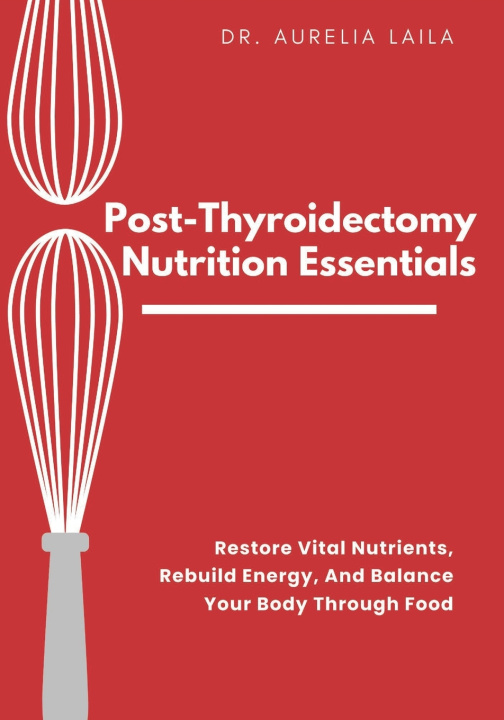
Post-Thyroidectomy Nutrition Essentials
Restore Vital Nutrients, Rebuild Energy, And Balance Your Body Through Food
 Angličtina
 30 b
30 b
Až 30 dní na vrátenie tovaru

Undergoing thyroid surgery, whether it involves a partial or total removal of the thyroid gland, marks a significant milestone in a patient's healthcare journey. The thyroid gland, a small butterfly-shaped organ located at the base of the neck, plays a crucial role in regulating metabolism, energy levels, body temperature, and many other vital functions through hormone production.
Why Diet Matters After Thyroid Surgery:
Post-thyroid surgery, the body undergoes a period of adjustment. Hormonal changes caused by the reduction or removal of thyroid tissue can affect metabolism, energy balance, and digestion. Moreover, surgery itself demands significant energy and nutrients for healing and recovery.
Nutrition becomes a foundational element in supporting the body's healing processes, reducing inflammation, maintaining stable energy levels, and optimizing thyroid hormone replacement therapy if prescribed.
A well-planned diet tailored specifically for post-thyroid surgery patients addresses several critical goals:
• Promote Healing: The body needs adequate protein, vitamins, and minerals to repair tissue and recover from surgical trauma.
• Support Hormonal Balance: Proper nutrition can enhance the effectiveness of thyroid hormone replacement medications and help stabilize metabolism.
• Manage Inflammation: Certain foods can reduce postoperative inflammation and swelling, improving comfort and healing speed.
• Maintain Healthy Weight: Thyroid hormone fluctuations often impact weight, and a balanced diet helps prevent unwanted weight gain or loss.
• Prevent Complications: A carefully chosen diet can help avoid common postoperative issues such as constipation, fatigue, and nutrient deficiencies.
Challenges in Nutritional Management:
Recovery from thyroid surgery often comes with unique challenges that require special dietary attention. Patients may experience changes in taste, appetite, and digestion. Some may have difficulty swallowing or feel throat discomfort, necessitating softer or easily digestible foods during the initial healing phase. Additionally, because thyroid hormones influence metabolism and energy use, patients might face fluctuations in energy levels, mood, and weight management.
Certain nutrients become particularly important in the post-surgical period. For instance:
- Iodine: While essential for thyroid function, iodine intake needs careful monitoring since excessive iodine can interfere with thyroid hormone production.
- Calcium and Vitamin D: These are vital if the parathyroid glands, which regulate calcium levels, are affected during surgery.
- Selenium and Zinc: Trace minerals that support thyroid health and immune function.
- Protein: Critical for tissue repair and recovery.
- Hydration and Fiber: Important to prevent constipation, a common side effect after surgery.
This book is designed to provide a comprehensive, easy-to-understand roadmap for anyone preparing for or recovering from thyroid surgery. Whether you are a patient, caregiver, or health professional, you will find valuable information on:
- Foods to emphasize and those to limit or avoid
- Meal planning strategies for different stages of recovery
- Sample menus and recipes tailored to post-thyroid surgery needs
- Tips on medication timing and nutrient interactions
- Ways to monitor your progress and adjust your diet accordingly


Informácie o knihe
Angličtina

Darujte túto knihu ešte dnes
Je to jednoduché
1 Pridajte knihu do košíka a vyberte možnosť doručiť ako darček 2 Obratom Vám zašleme poukaz 3 Knihu zašleme na adresu obdarovanéhoAhoj! Som Libroamiko, tvoj knižný radca.
Ako ti môžem pomôcť?