
 Kontakt
 Ako nakupovať
Doručenie
Nákupný poradca
 Angličtina
 44 b
44 b
30 dní na vrátenie tovaru

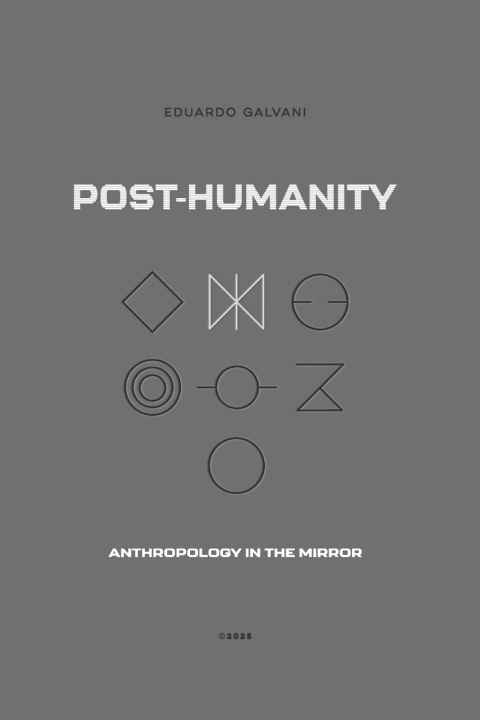
"Post-Humanity: Anthropology in the Mirror" by Eduardo Galvani redefines humanity's place in the cosmos through a bold anthropological lens, challenging anthropocentric illusions in an era of ecological crisis and technological transcendence. This provocative exploration from Florianópolis, Brazil (2025), invites readers to confront post-humanity not as sci-fi fantasy, but as three intertwined realities demanding urgent reevaluation.
Core ThesisGalvani dissects post-humanity via three perspectives: First Nature (the autonomous cosmos, Earth, and non-human life indifferent to us); Second Nature (human artifacts, cultures, and symbols born from our ingenuity); and Future Humanity (our transformative condition amid technological development, cyborg mergers and planetary upheaval). Drawing on anthropology's evolution-from Herodotus to Boas, Lévi-Strauss, and modern post-humanists like Viveiros de Castro-this work bridges biology and culture to expose humanity's dual animal-cultural essence.
Anthropological FoundationsTracing anthropology's genesis, Galvani highlights paradigm shifts: from evolutionist ethnocentrism to cultural relativism, functionalism (Malinowski), structuralism (Lévi-Strauss), and interdisciplinary dialogues with psychology (Vygotsky) and philosophy (Ingold, Geertz). Key theories like Ingold's "humanity and animality" and Geertz's gradualist humanization dismantle nature-culture dualisms, revealing humanity as interdependent with post-human realms.
Provocative ImplicationsIn the Anthropocene, Galvani warns of alienated "cyborg" futures (Haraway) where second nature dominates, urging a holistic post-humanism-Ferrando's plural centers, Kohn's forest semiosis, and Amerindian perspectivism-to foster interspecies harmony. Dystopias loom if we ignore this; transcendence awaits reconnection.
Perfect for philosophy enthusiasts, eco-thinkers, and futurists, this mirror to our condition sparks debate: Are we gods, animals, or fleeting guests in a post-human world? Read now.


Informácie o knihe
Angličtina

Darujte túto knihu ešte dnes
Je to jednoduché
1 Pridajte knihu do košíka a vyberte možnosť doručiť ako darček 2 Obratom Vám zašleme poukaz 3 Knihu zašleme na adresu obdarovanéhoAhoj! Som Libroamiko, tvoj knižný radca.
Ako ti môžem pomôcť?