
 Kontakt
 Ako nakupovať
Doručenie
Nákupný poradca
 Angličtina
 18 b
18 b
Až 30 dní na vrátenie tovaru

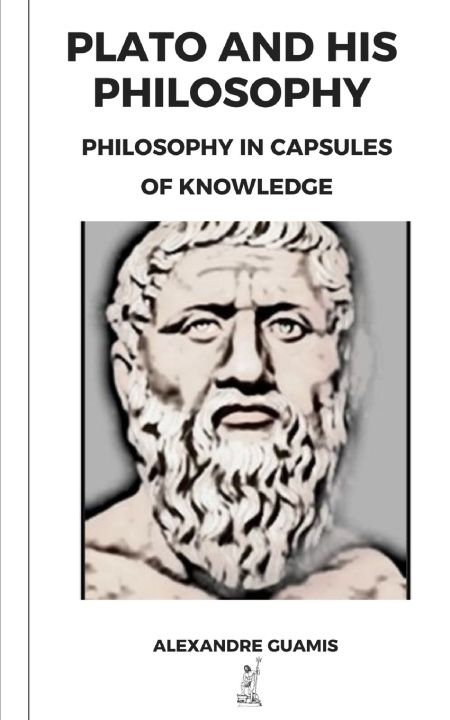
Plato's work occupies a privileged and singular place in the history of human thought. His writings set the paths along which much of later philosophy would develop, and they possess the unique distinction of being the first major philosophical creation of antiquity, consisting of more than twenty dialogues and several letters-an entire legacy that contrasts sharply with the fragmentary works of the Presocratic philosophers. From the latter, we preserve only a tiny portion of their developed thought, much of it known through references made by later authors.
In Plato's dialogues, a series of characters speak with one another. Through their conversations, Platonic philosophy unfolds in its fullness, as Plato develops and presents his most mature ideas about reality, knowledge, ethics, and politics, leaving a lasting legacy in the history of Western philosophy. Plato's period of maturity is considered the stage at which he reached his philosophical peak and made a permanent impact on the intellectual tradition.
Approaching Plato from a contemporary modern perspective leads us to raise the following question:
What meaning does this universe and world in which we live have? What meaning does our own life have?
Platonism finds in the ordering intelligence of the cosmos a first principle or emanating cause from which all creation is born-both in its material and immaterial (spiritual or soulful) aspects. The One has been identified in various religions and cosmogonies around the globe as a single god who, after remaining in prolonged rest, becomes "self-aware" and undertakes, as demiurge, the great work of creation. One of the fundamental ideas of Platonism is the notion that the physical world we perceive through our senses is merely a shadow or imperfect copy of a world of perfect and immutable forms, which Plato called "the Forms" or "the Ideas." Even today, one can find conceptual connections between this doctrine and modern quantum physics.
This collection of major themes of human knowledge encompasses cultural, philosophical, scientific, anthropological, and economic fields. It is presented in an engaging, synthetic manner, easy to absorb and quick to read, using a typeface designed for comfortable reading-well suited to today's stressful times. In addition to an analysis of Plato's thought, it includes examinations of landmark works such as Apology of Socrates and The Republic.


Informácie o knihe
Angličtina

Darujte túto knihu ešte dnes
Je to jednoduché
1 Pridajte knihu do košíka a vyberte možnosť doručiť ako darček 2 Obratom Vám zašleme poukaz 3 Knihu zašleme na adresu obdarovanéhoAhoj! Som Libroamiko, tvoj knižný radca.
Ako ti môžem pomôcť?