
 Kontakt
 Ako nakupovať
Doručenie
Nákupný poradca
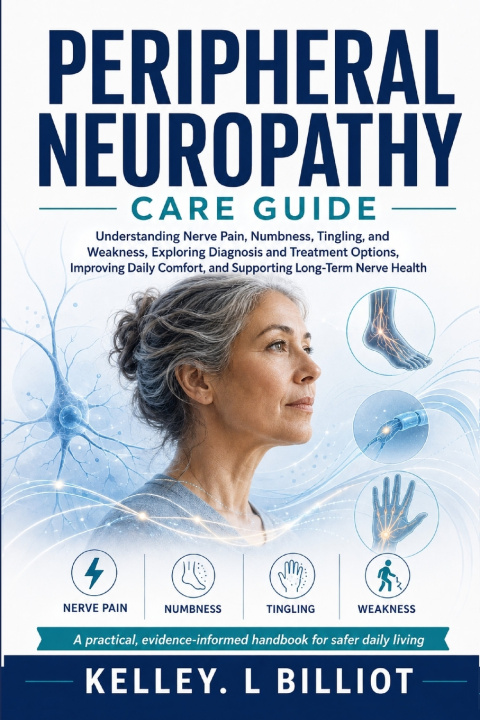
PERIPHERAL NEUROPATHY CARE GUIDE
Understanding Nerve Pain, Numbness, Tingling, and Weakness, Exploring Diagnosis and Treatment Options, Improving Daily Comfort, and Supporting Long-Term Nerve Health
 Angličtina
 30 b
30 b
 Nové
Nové
Až 30 dní na vrátenie tovaru

Are burning pain, tingling, numbness, muscle weakness, or balance problems making everyday life more difficult?
Peripheral neuropathy can affect far more than physical sensation. It may disturb sleep, reduce mobility, increase the risk of falls and unnoticed injuries, interfere with work, and make ordinary activities feel uncertain. Because peripheral neuropathy has many possible causes, understanding the pattern behind the symptoms is an important first step toward safer and more informed care.
Peripheral Neuropathy Care Guide is a practical, easy-to-understand resource for people living with nerve symptoms, those awaiting a diagnosis, and family members supporting someone with neuropathy. It explains how peripheral nerves work, what happens when they become damaged, and why sensory, motor, and autonomic nerve problems can produce different symptoms.
Inside this comprehensive guide, you will discover:
• How the peripheral nervous system communicates with the muscles, skin, and internal organs
• The differences between sensory, motor, and autonomic nerve damage
• Why neuropathy commonly causes numbness, tingling, burning, electric sensations, pain, and weakness
• How nerve damage may affect balance, coordination, digestion, blood pressure, sweating, and other automatic functions
• Warning signs that require urgent medical evaluation
• Common causes, including diabetes, vitamin deficiencies, alcohol exposure, toxins, medications, autoimmune conditions, infections, kidney disease, thyroid disorders, injuries, and inherited conditions
• What idiopathic peripheral neuropathy means when no definite cause is identified
• How to prepare for a neurological appointment and describe symptoms more clearly
• What to expect from neurological examinations, blood tests, nerve-conduction studies, electromyography, imaging, genetic testing, and small-fiber testing
• Why identifying and treating the underlying cause is an important part of neuropathy care
• Prescription and nonprescription approaches used in managing nerve pain
• How physical therapy, occupational therapy, exercise, and daily adaptations may support function and independence
• Practical ways to manage nighttime discomfort and sleep difficulties
• How to protect numb feet and hands from pressure, burns, wounds, ulcers, and infections
• Guidance for choosing safer shoes and socks
• Fall-prevention and home-safety strategies
• Nutrition, weight management, emotional health, and other lifestyle considerations
• Suggestions for working, driving, traveling, maintaining relationships, and completing daily responsibilities more safely
• Special considerations for chemotherapy-induced neuropathy, pregnancy, older adults, children, and young adults
• Ways family members and caregivers can provide meaningful support
• How to track symptoms, treatment responses, and changes in physical function
• Questions and observations to discuss with your healthcare team
The guide also includes a structured 30-day daily comfort plan to help readers develop safer routines gradually. The plan encourages practical actions such as monitoring symptoms, protecting vulnerable areas, improving the home environment, preparing questions for medical appointments, and identifying habits that support comfort and independence.
Whether your neuropathy is connected to diabetes, chemotherapy, nutritional deficiency, medication, autoimmune disease, nerve compression, or an unexplained cause, this book will help you become a more informed participant in your care.
Take a practical step toward understanding your symptoms, improving daily safety, and moving forward with greater knowledge and confidence.


Informácie o knihe
Angličtina

Darujte túto knihu ešte dnes
Je to jednoduché
1 Pridajte knihu do košíka a vyberte možnosť doručiť ako darček 2 Obratom Vám zašleme poukaz 3 Knihu zašleme na adresu obdarovanéhoAhoj! Som Libroamiko, tvoj knižný radca.
Ako ti môžem pomôcť?