
 Kontakt
 Ako nakupovať
Doručenie
Nákupný poradca
NEPAL
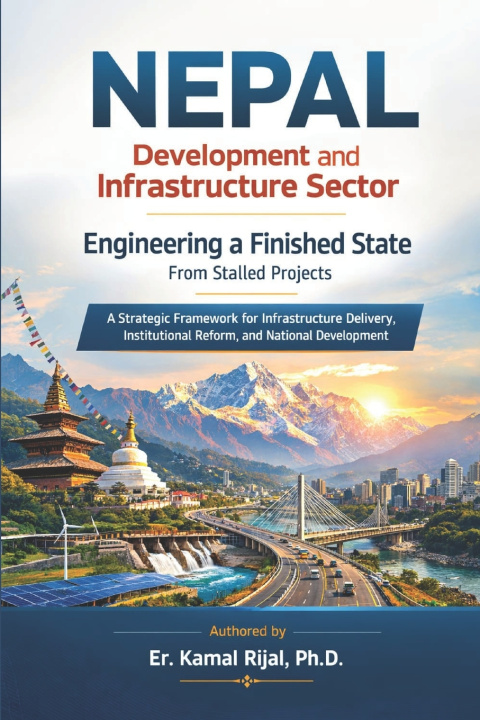
DEVELOPMENT AND INFRASTRUCTURE SECTOR: Engineering a Finished State from Stalled Projects
 Angličtina
 32 b
32 b
 Nové
Nové
Až 30 dní na vrátenie tovaru

Nepal's future development will depend heavily on the performance of its infrastructure sector and governance institutions.
Transport networks, hydropower systems, irrigation infrastructure, urban services, and digital connectivity form the backbone of economic transformation. Yet these sectors often face delays, cost overruns, and institutional bottlenecks that limit their effectiveness.
This book examines why these challenges occur and how they can be addressed.
It argues that sustainable development requires the alignment of three critical pillars:
Infrastructure Hardware
The physical systems that support economic activity-roads, energy networks, water systems, and communication infrastructure.
Institutional Software
The governance systems, legal frameworks, and professional capacity required to plan, implement, and maintain these assets.
Financial Architecture
The mechanisms that mobilize and allocate capital for long-term development investment.
When these pillars operate in coordination, development systems function effectively. When they operate in isolation, progress becomes fragmented and unpredictable.
The book therefore proposes a shift from a Project State to a Delivery State-a governance system capable of consistently completing infrastructure investments and translating development plans into real outcomes.
Looking toward the year 2100, Nepal has the opportunity to transform itself from a country defined by unfinished potential into a nation recognized for the reliability of its institutions and the strength of its infrastructure systems.
The journey toward that future begins with a simple but powerful principle:
A nation that finishes its infrastructure builds its own prosperity.


Informácie o knihe
Angličtina
Kategórie

Darujte túto knihu ešte dnes
Je to jednoduché
1 Pridajte knihu do košíka a vyberte možnosť doručiť ako darček 2 Obratom Vám zašleme poukaz 3 Knihu zašleme na adresu obdarovanéhoAhoj! Som Libroamiko, tvoj knižný radca.
Ako ti môžem pomôcť?