
 Kontakt
 Ako nakupovať
Doručenie
Nákupný poradca
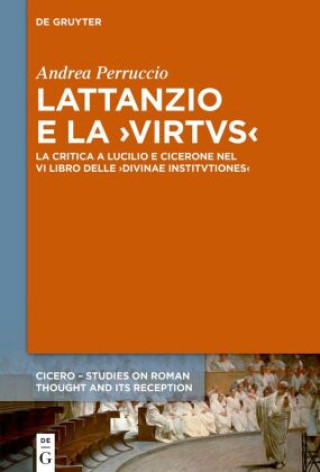
Lattanzio e la 'virtus'
La critica a Lucilio e Cicerone nel VI libro delle 'Divinae Institutiones'
 Taliančina
 210 b
210 b
 Nové
Nové
30 dní na vrátenie tovaru

This volume assesses how the Satirist Lucilius (2nd century BC) and the statesman and orator Cicero (1st century BC), in their attempt at integrating mos maiorum and Greek virtue ( ), give the opportunity for the apologist Lactantius (3rd-4th century AD) to confront two witnesses of Roman cultural history in the field of "military" and "ethical" virtus : he remoulds their assertions through a strongly biased, but deeply conceived reenactment.
In Div. inst. 6.5.1 6.24, Lactantius rejects both the definitions of virtus exposed by Lucilius (vv. 1326 1338 Marx) and Cicero's reflections upon the officia vivendi and his notion of honestum (Off. 1.34 41): one after the other, they are accordingly involved by the apologist in a vehement attack against the Roman empire.
By regarding the pre-Christian empire as one based on injustice, Lactantius claims a demand for a restored virtus , grounded in agnitione Dei . After contrasting Lucilius's stance about commoda patriai (v. 1337) as the peak of traditional Roman virtue, the apologist stigmatizes its underlying utilitarian ethics, and argues with the interplay between politics, law, and philosophy, on which Cicero allegedly founded the legitimacy of Roman expansionist imperialism.


Informácie o knihe
Taliančina

Darujte túto knihu ešte dnes
Je to jednoduché
1 Pridajte knihu do košíka a vyberte možnosť doručiť ako darček 2 Obratom Vám zašleme poukaz 3 Knihu zašleme na adresu obdarovanéhoAhoj! Som Libroamiko, tvoj knižný radca.
Ako ti môžem pomôcť?