Doprava zdarma pre objednávky nad 59,99 € s Packetou a SPS Boxmi.

Staňte sa súčasťou komunity milovníkov kníh z celého sveta a získajte hromadu výhod.
Založiť účet zdarma
Doprava zadarmo s Packetou nad 59.99 €
Kuriér DPD 2.99 €
Zberné miesto GLS 2.49 €
SPS 3.99 €
SPS Parcel Shop 2.99 €
Packeta kurýr 3.99 €
Pošta 3.99 €
Zberné miesto DPD 2.99 €
Kuriér GLS 3.99 €
Packeta 2.99 €
 Kontakt
 Ako nakupovať
Pomoc
Doručenie
Kuriér DPD 2.99 €
Zberné miesto GLS 2.49 €
SPS 3.99 €
SPS Parcel Shop 2.99 €
Packeta kurýr 3.99 €
Pošta 3.99 €
Zberné miesto DPD 2.99 €
Kuriér GLS 3.99 €
Packeta 2.99 €
Doprava zadarmo s Packetou nad 59.99 €
Nákupný poradca
Sme tu pre Vás!
02/210 210 99
Môj účet
▸
Prázdny :-(
0
Doprava zdarma pre objednávky nad 59,99 € s Packetou a SPS Boxmi.
Kush
Chronicles of a Kingdom: Unveiling the Turbulent History and Legacy of Sudan's Ancient Power
Jazyk
 Angličtina
Angličtina
Kniha
Brožovaná
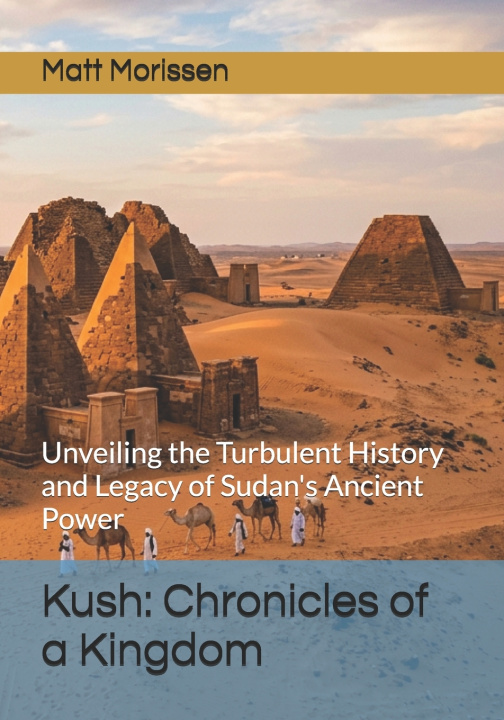
In "Kush: Chronicles of a Kingdom", Matt Morissen provides a comprehensive and immersive exploration...
Celý popis
Libristo kód: 52438249
?
 78 b
78 b
 Nové
Nové
78 b
Nové
32.19
€
Očakávané naskladnenie
Naskladnenie 17. 05. 2026
30 dní na vrátenie tovaru

In "Kush: Chronicles of a Kingdom", Matt Morissen provides a comprehensive and immersive exploration of the ancient Kingdom of Kush, a powerful civilization that flourished in the Nile Valley (modern-day Sudan) for over a thousand years. The book aims to bring Kush out of the shadows of its more famous neighbor, Egypt, and establish it as a vital, independent contributor to global history.
Origins and Early Cultures
The narrative begins with the region's geography, where the Nile served as a fertile corridor amidst harsh deserts. Morissen details the early indigenous cultures that laid the foundation for the kingdom:
- A-Group (3800-3100 BCE): Noted for increasing social complexity and early metallurgy.
- C-Group (2400-1550 BCE): Characterized by advanced pottery and cattle pastoralism.
- Kerma: An early urban center with monumental mud-brick architecture that signaled the rise of centralized Kushite sovereignty.
A central theme of the book is the complex, often volatile relationship between Kush and Egypt. While initially serving as vassals or trade partners, the Kushites eventually exploited a power vacuum in Egypt during its Third Intermediate Period.
Kush: The Chronicles of a Kingdom highlights the 25th Dynasty, a period of "Kushite Ascendancy" where kings like Piye (Piankhi) and Taharqa conquered and ruled all of Egypt. This era was marked by a unique cultural synthesis-Kushite pharaohs adopted Egyptian iconography and religious practices (such as the worship of Amun) while maintaining their distinct African identity and artistic styles.
Military and Technological Prowess
Kush is portrayed as a formidable military power. Its armies were world-renowned for their archery skills and the use of the "Nubian bow". Morissen describes their strategic mastery of the Nile's geography and their resilience against major imperial threats, most notably the Neo-Assyrian Empire.
Innovation and Legacy
Following their retreat from Egypt, the kingdom reinvented itself in southern centers like Napata and Meroë. The "Meroitic Era" is noted for its innovations, including the unique Meroitic script, advanced iron metallurgy, and the building of hundreds of pyramids that still stand today.
Kush: Chronicles of a Kingdom concludes by reflecting on Kush's enduring legacy as a symbol of African resilience, cultural dynamism, and sovereignty, influencing the modern identity of Sudan and the broader African diaspora.
Herečka
&
Polyglotka
EWA KASP
pre
Prehrať video


Libristo má najväčší výber cudzojazyčnej literatúry. Preto si knihy kupujem tu.
Informácie o knihe
Celý názov
Kush
Autor
Matt Morissen
Jazyk
Angličtina
Angličtina
Väzba
Kniha - Brožovaná
Dátum vydania
2026
Počet strán
276
EAN
9798196734830
Libristo kód
52438249
Nakladateľstvo
Independently published
Váha
485
Rozmery
178 x 254 x 15

Darujte túto knihu ešte dnes
Je to jednoduché
1 Pridajte knihu do košíka a vyberte možnosť doručiť ako darček 2 Obratom Vám zašleme poukaz 3 Knihu zašleme na adresu obdarovaného
Knižný radca Libroamiko
Používaním tohto chatu komunikujete s generatívnou umelou inteligenciou. Jeho používaním tiež súhlasíte so spracovaním osobných údajov.
Ahoj! Som Libroamiko, tvoj knižný radca.
Ako ti môžem pomôcť?
Ahoj, som Libroamiko, môžem pomôcť?