
 Kontakt
 Ako nakupovať
Doručenie
Nákupný poradca
 Angličtina
 330 b
330 b
Až 30 dní na vrátenie tovaru
Zákazníci tiež kúpili














 /
/
 Brožovaná
 4.45
€
4.45
€




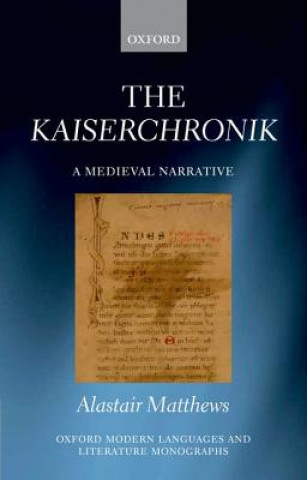
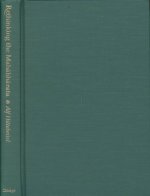
This book presents a narratological analysis of the Kaiserchronik, or chronicle of the emperors, the first verse chronicle to have been written in any European vernacular language, which provides an account of the Roman and Holy Roman emperors from the foundation of Rome to the eve of the Second Crusade. Previous research has concentrated on the structure and sources of the work and emphasized its role as a Christian narrative of history, but this study shows that the Kaiserchronik does not simply illustrate a didactic religious message: it also provides an example of how story-telling techniques in the vernacular were developed and explored in twelfth-century Germany. Four aspects of narrative are described (time and space, motivation, perspective, and narrative strands), each of which is examined with reference to the story of a particular emperor (Constantine the Great, Charlemagne, Otto the Great, and Henry IV). Rather than imposing a single analytical framework on the Kaiserchronik, the book takes account of the fact that modern theory cannot always be applied directly to works from premodern periods: it draws critically on a variety of approaches, including those of Gerard Genette, Boris Uspensky, and Eberhard Lammert. Throughout the book, the narrative techniques described are contextualized by means of comparisons with other texts in both Middle High German and Latin, making clear the place of the Kaiserchronik as a literary narrative in the twelfth century.


Informácie o knihe
Angličtina

Darujte túto knihu ešte dnes
Je to jednoduché
1 Pridajte knihu do košíka a vyberte možnosť doručiť ako darček 2 Obratom Vám zašleme poukaz 3 Knihu zašleme na adresu obdarovanéhoMohlo by vás tiež zaujímať
 /
Brožovaná
50.56
€
/
Brožovaná
50.56
€


 /
Brožovaná
15.29
€
/
Brožovaná
15.29
€





 /
Brožovaná
45.70
€
/
Brožovaná
45.70
€












Ahoj! Som Libroamiko, tvoj knižný radca.
Ako ti môžem pomôcť?