
 Kontakt
 Ako nakupovať
Doručenie
Nákupný poradca
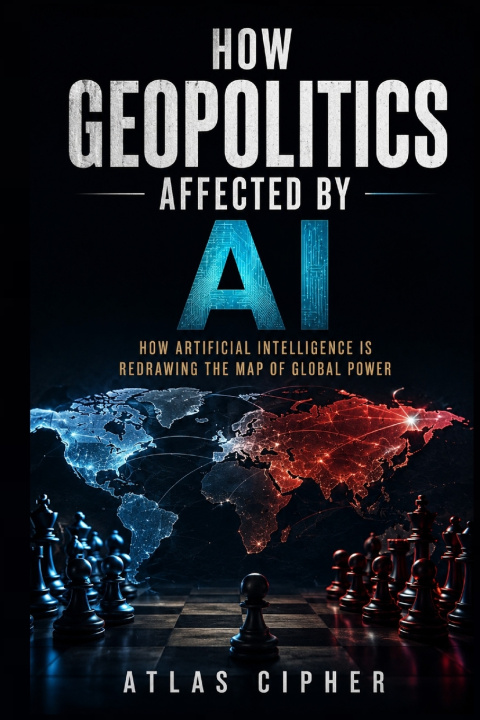
How Geopolitics Affected by AI
How Artificial Intelligence Is Redrawing the Map of Global Power
 Angličtina
 38 b
38 b
 Nové
Nové
Až 30 dní na vrátenie tovaru

Artificial intelligence has become a new currency of geopolitical power, standing alongside military spending, industrial capacity, and population as a measure of national strength. This book traces how that shift is reshaping the modern world.
It examines the rivalry between the United States and China over chips, export controls, and research talent. It looks at how algorithms are entering military decision-making, from autonomous weapons to cyber operations, and what this means for deterrence in an age of compressed decision-making. It follows the mineral supply chains, trade realignments, and labor market effects behind the software headlines, and considers what this technology means for the majority of the world's countries who are neither building it nor writing its rules. The book closes with an assessment of whether artificial intelligence can be governed at all, comparing current efforts to the nuclear arms control regime and outlining three possible futures for how this competition might resolve.
Drawing on history, economics, and security studies, the book connects developments usually treated separately: chip policy, military doctrine, trade negotiations, and the position of smaller nations caught between two dominant powers. It offers a framework for understanding how artificial intelligence is redrawing the map of global power, and how much of that redrawing remains undecided.


Informácie o knihe
Angličtina
Kategórie
