
 Kontakt
 Ako nakupovať
Doručenie
Nákupný poradca
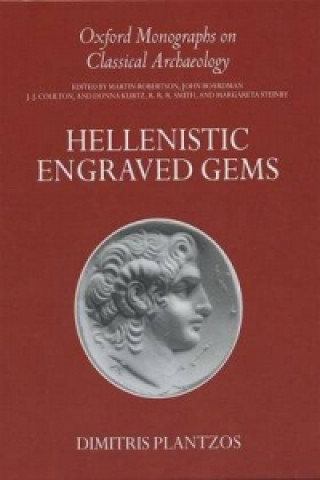
Hellenistic Engraved Gems
 Angličtina
 1269 b
30 dní na vrátenie tovaru
Zákazníci tiež kúpili







 /
/
 Brožovaná
 12.55
€
12.55
€











 /
Brožovaná
5.26
€
/
Brožovaná
5.26
€










 /
Brožovaná
1.71
€
/
Brožovaná
1.71
€

Engraved gems were used by the Greeks as seals and amulets, but were primarily valued as ornaments. Their iconography was drawn from a wide range of motifs and standard devices current in other art forms. In the Hellenistic period gem cutters remained faithful to the classical tradition, but were able to develop new subjects and styles. Portraits, especially of royalty, became the commonest subject in glyptic after Alexander, a practice that continued through the Roman period and was still popular with patrons and artists of the Renaissance and even later. This volume follows the development of gem engraving from Alexander's conquest of the East to the Augustan period. Hellenistic gems are studied in their archaeological and historical context: evidence on their use, significance, and value; questions of technique and style; and problems of chronology and distribution. Special sections have been devoted to patronage of gem-engravers and the relationship of gem-cutting with other miniaturist arts and coinage.


Informácie o knihe
Angličtina

Darujte túto knihu ešte dnes
Je to jednoduché
1 Pridajte knihu do košíka a vyberte možnosť doručiť ako darček 2 Obratom Vám zašleme poukaz 3 Knihu zašleme na adresu obdarovanéhoMohlo by vás tiež zaujímať





 /
Brožovaná
15.48
€
/
Brožovaná
15.48
€





















Ahoj! Som Libroamiko, tvoj knižný radca.
Ako ti môžem pomôcť?