
 Kontakt
 Ako nakupovať
Doručenie
Nákupný poradca
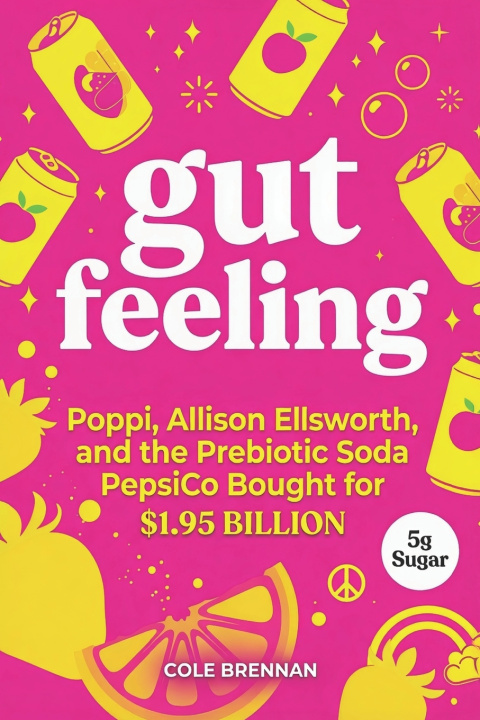
Gut Feeling
Poppi, Allison Ellsworth, and the Prebiotic Soda PepsiCo Bought for $1.95 Billion
 Angličtina
 35 b
35 b
 Pripravujeme
 Nové
Nové
Až 30 dní na vrátenie tovaru

PepsiCo paid 1.95 billion dollars for a soda company whose factory its own accountants valued at three million.
The difference was a word.
In 2018 a former West Texas landman stood on a television soundstage, nine months pregnant, holding a tray of apple cider vinegar drink that most people who tasted it did not like. The investor who backed her told her the branding was unprintable. Seven years later the brand she rebuilt around that single term sold for 1.95 billion dollars, and when the buyer broke the price open in a quarterly filing, it assigned 1.7 billion of that to the name and three million to the plant that made the liquid.
Gut Feeling is the story of what that word bought. It follows the drink from a Dallas kitchen to a farmers market booth, through a rebrand that changed everything except the recipe, into the aisle the company persuaded American supermarkets to build for it, and finally into the hands of the largest beverage business in North America. Along the way it sets out the case against the product with the same care as the case for it: the class action that alleged a consumer would need four cans a day for three weeks to get the benefit the label implied, the regulator on another continent that reached a comparable figure from an entirely different direction, and the settlement that paid out and changed nothing about the can.
It is also the story of the rival who did it the other way. A formulator who spent a decade in a laboratory, put two to three times the fibre in his can, turned down both giants when they came knocking, and watched the company with less of the active ingredient sell to PepsiCo for 1.95 billion dollars.
The evidence runs to court filings, securities disclosures, regulatory registers and two lawsuits for which no published account could be found: a national sales agency that says it was owed one per cent of the sale price, under an agreement that expired six days after the deal was announced, and an earlier trademark action over the name itself, resolved on terms that appear in no filing anywhere. The contract case is scheduled for trial in 2027.
What emerges is a precise account of how modern brand value is actually made, and of what a company is worth when the thing it sells can be copied in an afternoon and the reason people reach for it cannot.
This is an independent, unauthorized work. It is not affiliated with, endorsed by, or sponsored by any company or person named in it.


Informácie o knihe
Angličtina

Darujte túto knihu ešte dnes
Je to jednoduché
1 Pridajte knihu do košíka a vyberte možnosť doručiť ako darček 2 Obratom Vám zašleme poukaz 3 Knihu zašleme na adresu obdarovanéhoAhoj! Som Libroamiko, tvoj knižný radca.
Ako ti môžem pomôcť?