
 Kontakt
 Ako nakupovať
Doručenie
Nákupný poradca
 Angličtina
 79 b
79 b
Až 30 dní na vrátenie tovaru
Zákazníci tiež kúpili










 /
/
 Brožovaná
 32.06
€
32.06
€

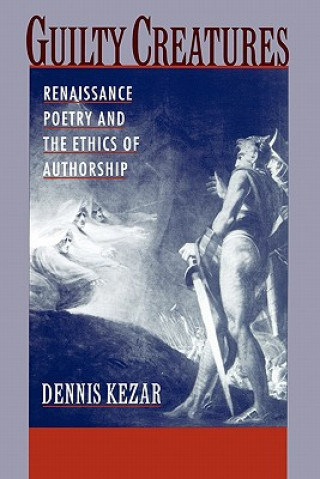
This study examines how Renaissance poets conceive the theme of killing as a specifically representational and interpretive form of violence. Closely reading both major poets and lesser known authors, Dennis Kezar explores the ethical self-consciousness and accountability that attend literary killing, paying particular attention to the ways in which this reflection indicates the poet's understanding of his audience. Kezar explores the concept of authorial guilt elicited by violent representation in poems including Skelton's Phyllyp Sparowe, Spenser's Faerie Queene, Shakespeare's Julius Caesar, the multi-authored Witch of Edmonton, and Milton's Samson Agonistes. In each case, he reflects on the poetic process and explores the ethical ramifications for both author and audience. In emphasizing the social, literary, and historical consequences of 'killing poems,' this volume further advances scholarship in historicist and speech-act theories of the early modern period.


Informácie o knihe
Angličtina

Darujte túto knihu ešte dnes
Je to jednoduché
1 Pridajte knihu do košíka a vyberte možnosť doručiť ako darček 2 Obratom Vám zašleme poukaz 3 Knihu zašleme na adresu obdarovanéhoMohlo by vás tiež zaujímať
 /
Brožovaná
14.66
€
/
Brožovaná
14.66
€




 /
Brožovaná
44.51
€
/
Brožovaná
44.51
€




 /
Brožovaná
10.01
€
/
Brožovaná
10.01
€

 /
Pevná
28.72
€
/
Pevná
28.72
€

 /
Brožovaná
15.67
€
/
Brožovaná
15.67
€









Ahoj! Som Libroamiko, tvoj knižný radca.
Ako ti môžem pomôcť?