
 Kontakt
 Ako nakupovať
Doručenie
Nákupný poradca
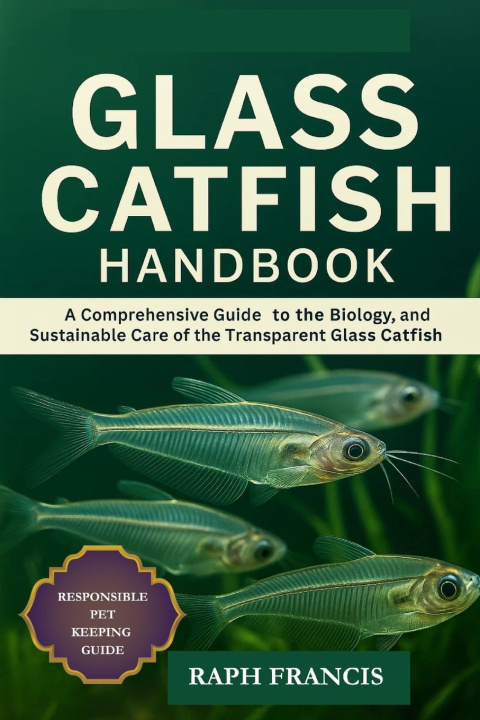
GLASS CATFISH HANDBOOK
A Comprehensive Guide to the Biology, Behavior, and Sustainable Care of the Transparent Glass Catfish
 Angličtina
 32 b
32 b
Až 30 dní na vrátenie tovaru

Dive into the luminous world of the Glass Catfish (Kryptopterus vitreolus), one of nature's most breathtaking examples of transparency and aquatic elegance. This professional, science-based handbook is a definitive resource for aquarists, researchers, conservationists, and educators who seek to understand and protect this extraordinary species.
Blending academic depth with practical insight, The Glass Catfish Handbook explores every aspect of this remarkable fish's biology-from anatomy and physiology to behavior, ecology, and sustainable care. Readers are guided through advanced chapters on genomics, microbiome ecology, and neurobehavioral research, revealing how cutting-edge science is uncovering the secrets behind the catfish's ghost-like clarity and complex social behavior.
Beyond the science, this handbook emphasizes ethical fishkeeping, environmental stewardship, and global conservation frameworks. It offers detailed guidance on aquarium habitat design, breeding strategies, disease management, and the responsible trade of ornamental species. Special attention is given to AI-driven monitoring technologies, citizen-science initiatives, and sustainable aquaculture innovations, presenting a visionary look at how technology and ethics can unite to safeguard freshwater biodiversity.
Whether you are a seasoned aquarist or a researcher exploring new frontiers in aquatic biology, this book provides:
- Comprehensive analyses of anatomy, behavior, and ecology in Kryptopterus vitreolus
- Practical guidelines for maintaining optimal health and welfare in captivity
- Ethical insights into sourcing, conservation, and responsible ownership
- Explorations of emerging technologies such as IoT sensors, AI modeling, and genomics
- Inspiring frameworks for citizen-science participation and educational outreach
Beautifully written and deeply informative, The Glass Catfish Handbook stands as both a scientific reference and an ethical manifesto-celebrating the delicate balance between technological progress and ecological compassion. It invites readers to see not just through the body of a transparent fish, but into the transparent truth of our responsibility toward the living waters that sustain all life.
Perfect for: Professional aquarists, ichthyologists, zoology students, conservationists, educators, and anyone passionate about sustainable fishkeeping and freshwater biodiversity.


Informácie o knihe
Angličtina
