
 Kontakt
 Ako nakupovať
Doručenie
Nákupný poradca
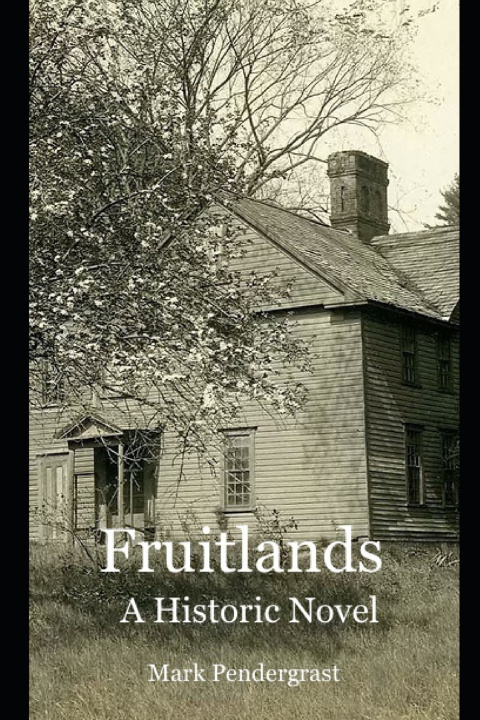
Fruitlands
A Historical Novel, the True Story of a Failed Utopia, Maniacal Idealists, and a Saved Family
 Angličtina
 24 b
24 b
Až 30 dní na vrátenie tovaru

FRUITLANDS is the story of the Alcott family's attempt to start a utopian agricultural common in a remote area of Massachusetts, relatively near Concord. Louisa May Alcott was ten years old in June 1843, when the family, consisting of father Bronson Alcott, his wife Abigail, and four daughters -- Anna, Louisa, Lizzie, and Abby May -- moved to what Bronson Alcott named Fruitlands, although the farmhouse was uninhabited and dissheveled, and there were only a few ancient apple trees on the property. The family, along with Charles Lane, a British recruit who supplied the money to purchase the land, and his 11-year-old son William, formed the nucleus of the project, though various other recruits and friends came and went.
The novel consists solely of diaries, letters, and articles written in 1843 and 1844. There is no third person narration, so the story unfolds through these ostensibly contemporary documents. The story and some of the entries are true, though many are fictionalized.
The idealistic Fruitlands experiment lasted only seven months, when it failed because of poor planning, a cold winter, and lack of food and heat. Bronson Alcott and Charles Lane insisted on a strict diet of water, vegetables, fruit, and no meat. They wore only linen clothing because cotton used slave labor, and they did not use leather or wool because it came from animals, and they did not believe in using the "slave labor" of animals either. Nor would they use manure. The two founders ended up abandoning the farm just at harvest season, to go on a lecture and recruiting expedition, since their followers had mostly left.
There are wonderful, quirky characters here, with ample conflict and lessons for our time. There's the pragmatic but idealistic New England farmer, along with the nudist, the curser, the depressive, and various other troubled young seekers. There are the men who talk about the evils of slavery and inequality but who are full of their own self-importance and leave it to the women - mostly Abigail - to do most of the work without much of the power. Again, sex is a key issue, with Charles Lane's belief in celibacy nearly destroying the Alcott marriage.
Human nature doesn't change much. The back-to-the-land communes of the 1960s and 1970s encountered many of the same issues. If our current culture wars are any indication, Fruitlands will remain relevant for a long time to come. It should appeal to both sides of our current culture war. MAGA conservatives will relish the nutty overreach of the Transcendentalists, while liberals will appreciate the feminist and anti-slavery aspects, as well as the flawed idealism of Bronson Alcott and his ilk.


Informácie o knihe
Angličtina

Darujte túto knihu ešte dnes
Je to jednoduché
1 Pridajte knihu do košíka a vyberte možnosť doručiť ako darček 2 Obratom Vám zašleme poukaz 3 Knihu zašleme na adresu obdarovanéhoAhoj! Som Libroamiko, tvoj knižný radca.
Ako ti môžem pomôcť?