
 Kontakt
 Ako nakupovať
Doručenie
Nákupný poradca
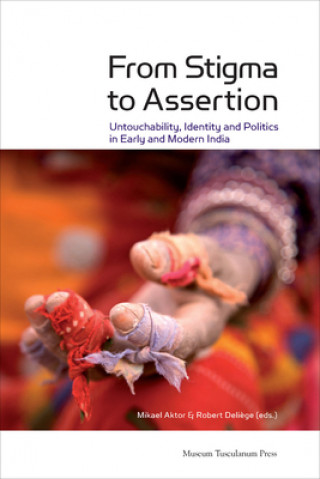
From Stigma to Assertion
Untouchability, Identity and Politics in Early and Modern India
 Angličtina
 82 b
82 b
30 dní na vrátenie tovaru
Zákazníci tiež kúpili








 /
/
 Brožovaná
 28.95
€
28.95
€





 /
Brožovaná
71.18
€
/
Brožovaná
71.18
€



When the constitution of independent India took effect in 1950, this meant a break with a more than 2,000 year legacy of "Untouchability" - a set of discriminative practices that bound the lowest castes of society to low-status jobs and restricted their social mobility. For centuries, large sections of Indian society had lived under the many forms of discrimination connected with this stigma. In order to compensate for the social and economic setback caused by discrimination, a reservation policy was introduced that guaranteed the former Untouchables access to education and jobs. These measures have changed the life conditions of the targeted groups, but they have also created tensions in a society where many other groups experience economic stress. The preservation of caste itself, as something that matters in the competition for economic benefits, thus creates today's paradox: that caste assertiveness has become a means to counter inequalities. This collection of articles, written by


Informácie o knihe
Angličtina
Kategórie

Darujte túto knihu ešte dnes
Je to jednoduché
1 Pridajte knihu do košíka a vyberte možnosť doručiť ako darček 2 Obratom Vám zašleme poukaz 3 Knihu zašleme na adresu obdarovanéhoMohlo by vás tiež zaujímať






 /
Brožovaná
14.07
€
/
Brožovaná
14.07
€


 /
Brožovaná
27.43
€
/
Brožovaná
27.43
€


 /
Brožovaná
11.53
€
/
Brožovaná
11.53
€








 /
Brožovaná
28.65
€
/
Brožovaná
28.65
€



Ahoj! Som Libroamiko, tvoj knižný radca.
Ako ti môžem pomôcť?