
 Kontakt
 Ako nakupovať
Doručenie
Nákupný poradca
 Angličtina
 59 b
59 b
 Pripravujeme
 Nové
Nové
Až 30 dní na vrátenie tovaru

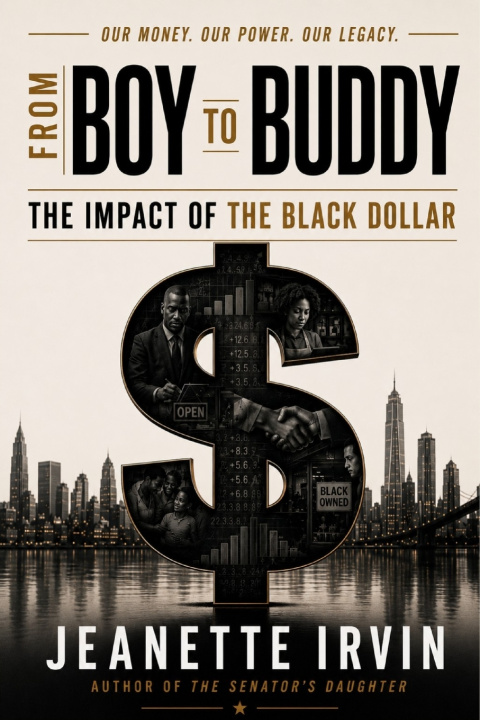
What happens when a community possesses extraordinary buying power, shapes American culture, influences major industries, and helps build some of the world's most recognizable brands, yet continues to struggle to convert that economic influence into lasting wealth?
From Boy to Buddy: The Impact of the Black Dollar explores the history, influence, impact, and future potential of Black economic power in America. Author Jeanette Irvin traces the Black dollar from the years following emancipation through the rise of Black entrepreneurship, organized economic protest, corporate recognition of Black consumers, and today's conversations about ownership and generational wealth.
The book examines how Black Americans built businesses and financial institutions when access to mainstream economic systems was restricted or denied. It explores thriving Black business communities, pioneering entrepreneurs such as Madam C. J. Walker, and the use of economic protest as a tool for social change. From the Montgomery Bus Boycott to Cadillac's changing relationship with Black consumers, these stories demonstrate that decisions about where money is spent can influence institutions, industries, and American society.
From Boy to Buddy also explores the enormous economic value generated through Black music, fashion, beauty, entertainment, sports, language, and culture. As corporations increasingly recognized the power of the Black consumer, Black spending became an important force in American business. But influence raises another question: Who ultimately owns and benefits from the economic value that Black consumers and Black culture help create?
The book moves through three central ideas: influence, impact, and implication. Black buying power has demonstrated an extraordinary ability to move markets, build brands, sustain industries, and shape culture. The challenge now is determining how more of that economic power can be converted into ownership, assets, investment, entrepreneurship, financial literacy, and generational wealth.
Rather than blaming individual consumers or ignoring historical barriers, Jeanette Irvin examines both personal agency and the structural forces that have shaped Black economic outcomes. The book acknowledges discrimination, restricted access to capital, housing policy, and unequal opportunity while challenging readers to consider the economic decisions available to individuals, families, entrepreneurs, and communities today.
The final chapters turn history into action. Readers are encouraged to examine where they spend, what they own, how they invest, the businesses they support, and the financial knowledge they pass to the next generation. Lessons, reflection questions, challenges, and practical calls to action help transform the book's economic history into a conversation about what comes next.
Written for readers interested in Black history, economics, entrepreneurship, consumer behavior, financial empowerment, wealth building, business, and culture, From Boy to Buddy is not a book about blame. It is a book about understanding power and using that understanding with greater intention.
Every dollar tells a story. The question is what we choose to build with it.


Informácie o knihe
Angličtina

Darujte túto knihu ešte dnes
Je to jednoduché
1 Pridajte knihu do košíka a vyberte možnosť doručiť ako darček 2 Obratom Vám zašleme poukaz 3 Knihu zašleme na adresu obdarovanéhoAhoj! Som Libroamiko, tvoj knižný radca.
Ako ti môžem pomôcť?