
 Kontakt
 Ako nakupovať
Doručenie
Nákupný poradca
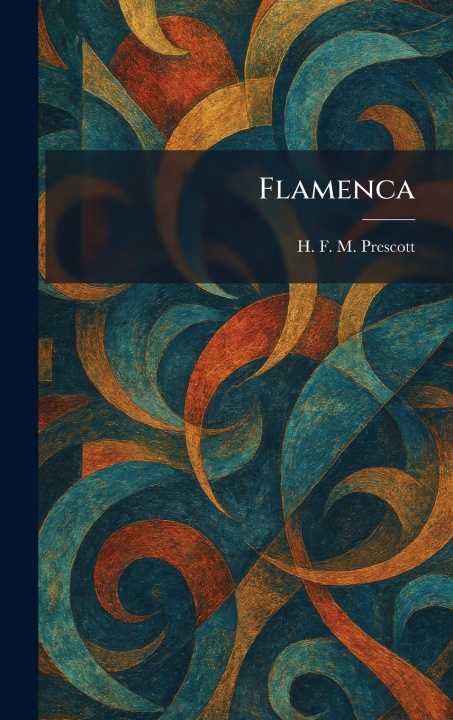
Flamenca
 Angličtina
 75 b
75 b
30 dní na vrátenie tovaru
Mohlo by vás tiež zaujímať




"Flamenca" is a masterpiece of medieval literature, specifically a 13th-century Occitan romance that captures the essence of courtly love and chivalric culture. Translated by the esteemed historian and novelist H.F.M. Prescott, the narrative centers on the beautiful and virtuous Flamenca, who is unjustly imprisoned in a tower by her pathologically jealous husband, Count Archambaut. The story follows the daring and elaborate efforts of the noble knight Guillaume de Nevers to woo and rescue her, employing disguises and clever stratagems that showcase the wit and social dynamics of the period.
As a significant example of the "roman d'aventure," "Flamenca" offers a vivid window into the manners, fashions, and psychological nuances of aristocratic life in medieval Southern France. This work is celebrated not only for its romantic intrigue but also for its sophisticated character development and its satirical take on the conventions of jealousy and marital possession. Prescott's translation preserves the lyrical quality and narrative drive of the original text, making this cornerstone of Provençal literature accessible to a wider audience. Readers interested in the evolution of the novel, the history of troubadours, and the complex ideals of fin'amor will find "Flamenca" to be an indispensable literary treasure.
This work has been selected by scholars as being culturally important, and is part of the knowledge base of civilization as we know it. This work was reproduced from the original artifact, and remains as true to the original work as possible. Therefore, you may see the original copyright references, library stamps (as most of these works have been housed in our most important libraries around the world), and other notations in the work.
This work is in the public domain in the United States of America, and possibly other nations. Within the United States, you may freely copy and distribute this work, as no entity (individual or corporate) has a copyright on the body of the work.
As a reproduction of a historical artifact, this work may contain missing or blurred pages, poor pictures, errant marks, etc. Scholars believe, and we concur, that this work is important enough to be preserved, reproduced, and made generally available to the public. We appreciate your support of the preservation process, and thank you for being an important part of keeping this knowledge alive and relevant.


Informácie o knihe
Angličtina
