 Kontakt
 Ako nakupovať
Doručenie
Nákupný poradca
 Angličtina
 34 b
34 b
30 dní na vrátenie tovaru

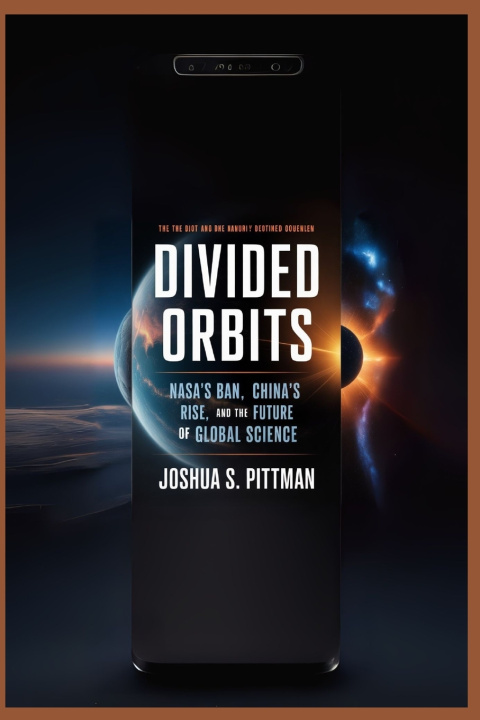
When NASA announced a sudden ban on Chinese nationals, it shocked researchers, students, and contractors across the world. Overnight, talented minds were cut off from one of the most respected space agencies. Why did it happen, and what does it mean for the future of science and humanity's journey beyond Earth?
Closed Orbit: NASA's Ban on Chinese Nationals and the New Space Race takes you inside this turning point. It explains how US-China space race tensions, the Wolf Amendment, NASA, and strict export controls, ITAR, and EAR shaped the decision. It shows how the push for space policy and security clashes with the ideals of open research and how deemed export rules affect universities and labs.
This book makes complex issues clear. You will understand how the Chinese space program, CNSA, the Tiangong space station, and the Artemis program politics have fueled rivalry. You will see how the Outer Space Treaty reveals both cooperation and conflict, and why open science vs security is now a global debate.
Readers gain not just knowledge but perspective. You will learn why global science cooperation is at risk of breaking into rival blocs, how space geopolitics and technology decoupling US-China reshape the balance of power, and why planetary defense cooperation and satellite security threats matter for every nation.
The story does not stop at headlines. This book connects space exploration politics, the space race 2.0, and the US-China rivalry in technology to everyday concerns: who sets standards in orbit, who shares data about asteroids, and how much trust remains between great powers. It is a guide to science policy book issues that affect universities, companies, and even students planning their futures.


Informácie o knihe
Angličtina

Darujte túto knihu ešte dnes
Je to jednoduché
1 Pridajte knihu do košíka a vyberte možnosť doručiť ako darček 2 Obratom Vám zašleme poukaz 3 Knihu zašleme na adresu obdarovanéhoAhoj! Som Libroamiko, tvoj knižný radca.
Ako ti môžem pomôcť?