
 Kontakt
 Ako nakupovať
Doručenie
Nákupný poradca
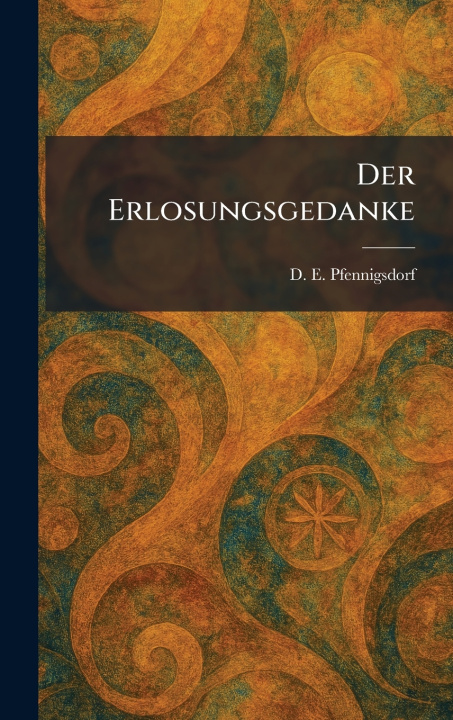
Der Erlosungsgedanke
 Nemčina
 73 b
73 b
Až 30 dní na vrátenie tovaru

"Der Erlosungsgedanke" von Emil Pfennigsdorf ist eine tiefgreifende theologische Untersuchung über eines der zentralen Themen des christlichen Glaubens: die Erlösung. In diesem Werk analysiert der renommierte Theologe die historische Entwicklung und die systematische Bedeutung des Erlösungskonzepts aus einer dezidiert protestantischen Perspektive. Pfennigsdorf beleuchtet detailliert, wie die Vorstellung von Befreiung und Versöhnung das menschliche Dasein und das Verhältnis zwischen Schöpfer und Geschöpf prägt.
Das Buch verknüpft dogmatische Fragestellungen mit praktischen religiösen Erfahrungen und bietet eine fundierte Auseinandersetzung mit der christlichen Soteriologie. Es richtet sich sowohl an Fachgelehrte der Theologie als auch an interessierte Leser, die ein tieferes Verständnis für die geistigen Grundlagen des Heils suchen. Pfennigsdorf gelingt es, die komplexen Zusammenhänge zwischen Sünde, Gnade und der Sehnsucht nach Erlösung klar darzustellen und deren zeitlose Relevanz für das spirituelle Leben hervorzuheben. "Der Erlosungsgedanke" stellt damit einen wesentlichen Beitrag zur systematischen Theologie des frühen 20. Jahrhunderts dar und reflektiert die intellektuellen Strömungen einer Ãra, die nach neuen Wegen der Glaubensinterpretation suchte.
This work has been selected by scholars as being culturally important, and is part of the knowledge base of civilization as we know it. This work was reproduced from the original artifact, and remains as true to the original work as possible. Therefore, you may see the original copyright references, library stamps (as most of these works have been housed in our most important libraries around the world), and other notations in the work.
This work is in the public domain in the United States of America, and possibly other nations. Within the United States, you may freely copy and distribute this work, as no entity (individual or corporate) has a copyright on the body of the work.
As a reproduction of a historical artifact, this work may contain missing or blurred pages, poor pictures, errant marks, etc. Scholars believe, and we concur, that this work is important enough to be preserved, reproduced, and made generally available to the public. We appreciate your support of the preservation process, and thank you for being an important part of keeping this knowledge alive and relevant.


Informácie o knihe
Nemčina
