
 Kontakt
 Ako nakupovať
Doručenie
Nákupný poradca
Dante and the Sense of Transgression
 Angličtina
 104 b
104 b
Až 30 dní na vrátenie tovaru
Zákazníci tiež kúpili



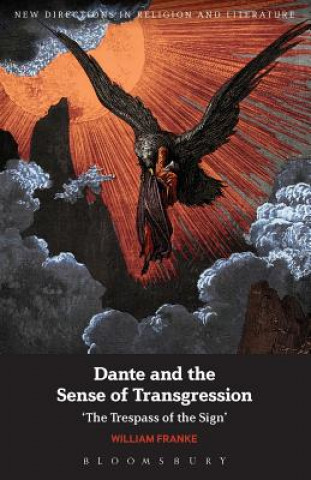
In Dante and the Sense of Transgression, William Franke combines literary-critical analysis with philosophical and theological reflection to cast new light on Dante's poetic vision. Conversely, Dante's medieval masterpiece becomes our guide to rethinking some of the most pressing issues of contemporary theory. Beyond suggestive archetypes like Adam and Ulysses that hint at an obsession with transgression beneath Dante's overt suppression of it, there is another and a prior sense in which transgression emerges as Dante's essential and ultimate gesture. His work as a poet culminates in the Paradiso in a transcendence of language towards a purely ineffable, mystical experience beyond verbal expression. Yet Dante conveys this experience, nevertheless, in and through language and specifically through the transgression of language, violating its normally representational and referential functions. Paradiso's dramatic sky-scapes and unparalleled textual performances stage a deconstruction of the sign that is analyzed philosophically in the light of Blanchot, Levinas, Derrida, Barthes, and Bataille, as transgressing and transfiguring the very sense of sense.


Informácie o knihe
Angličtina
Kategórie

Darujte túto knihu ešte dnes
Je to jednoduché
1 Pridajte knihu do košíka a vyberte možnosť doručiť ako darček 2 Obratom Vám zašleme poukaz 3 Knihu zašleme na adresu obdarovanéhoMohlo by vás tiež zaujímať






 /
/
 Brožovaná
 19.74
€
19.74
€
Ahoj! Som Libroamiko, tvoj knižný radca.
Ako ti môžem pomôcť?